
Positive Relationships & Parenting Special Needs or Strong Willed Child
By Lisa Shelton-Rohde
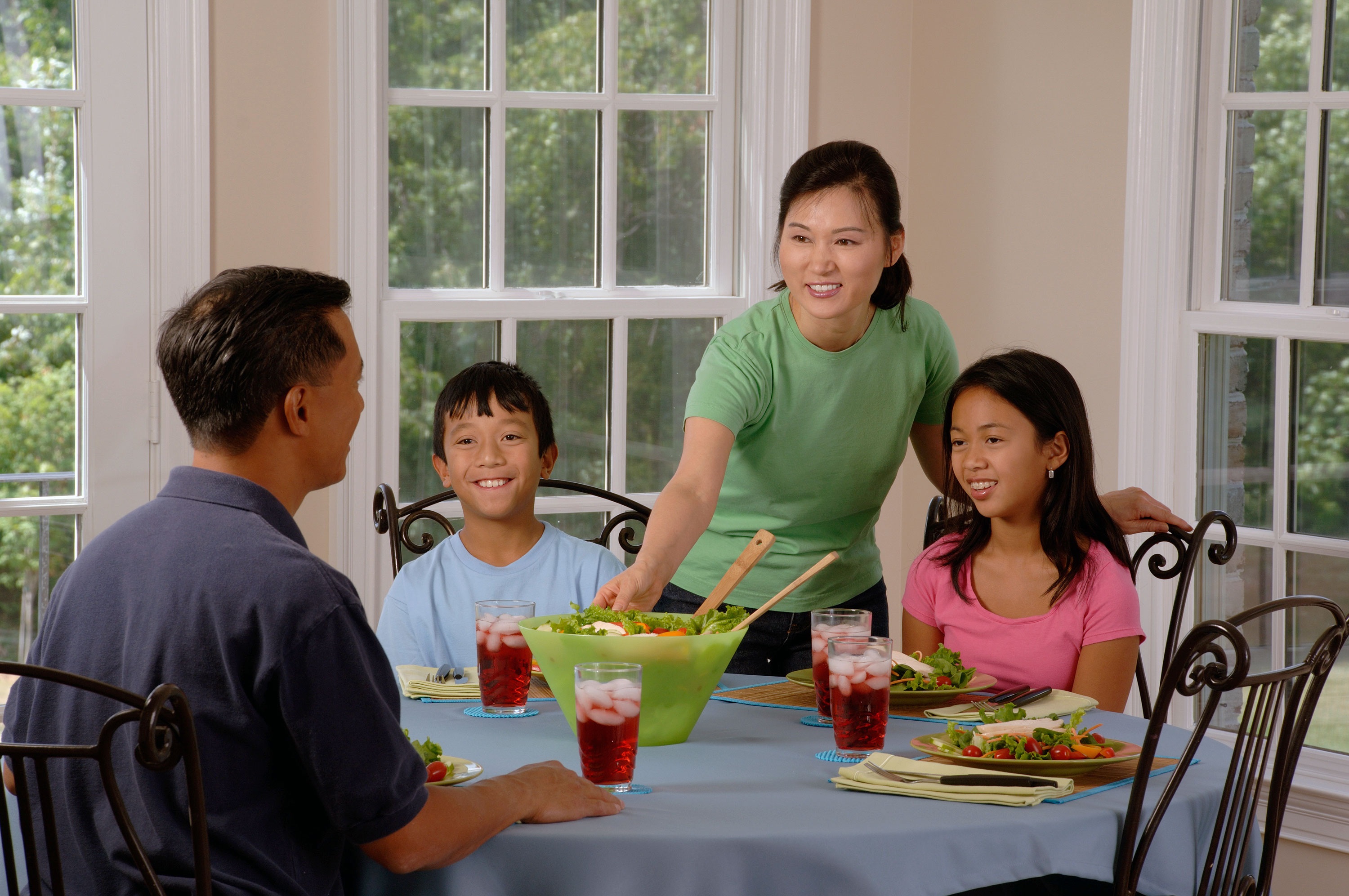
Surrounding ones life with positive relationships, relationships inspired with optimism, and hope, welcomes the good life. “Life’s truly joyful and meaningful moments are spent in the company of others… Our bonds with others are ‘the best antidote to the downs of life and the single most reliable up,’ he [Seligman] says. ‘And research literature shows that loneliness is one of the huge factors in anxiety and depression. Human beings are built for relationships’” (Hooper, J. 2001, p100). Mindfulness and clear communication may be necessary tools to ensure rewarding relationships, and enhance an overall sense of wellbeing. When blessed with a good challenge of parenting a strong willed child, a mindful approach to a positive parenting relationship may especially be imperative.
Negative relationships may render one feeling unheard, alienated, and isolated, thus experiencing stress capable of impacting ones very health. A study among China women found that that stressors from work or the family home were positively associated in incidence of asthma, and when work and family stressors were combined asthma occurrence was further correlated (Loerbroks, A., et al, 2017). Another China study of older populations experiencing mobility impairment, and therefore fewer social engagements, found they were more likely to report lower life satisfaction (Li L., Loo B. P., & Y, 2017). Additionally, a study of women in China and Hong Kong positively correlated support from work supervisors and family support with increased life satisfaction (Drummond, S., et al, 2017). Though, this study did not show the same life satisfaction trend with Australia and New Zealand women, directing the need to continue studying gender and cultural differences (Drummond, S. et al, 2017). Further highlighting the importance of positive social relationships is a study that focuses on women and their sense of social safeness. Findings showed that women with positive relationships and higher levels of social safeness were positively correlated with increased self respect and attitude towards ones body resulting in lower occurrences of eating disorder behaviors (Pinto, C., et al, 2017). These studies and many more demonstrate the importance of surrounding ones life with positive relationships resulting in a greater sense of well-being and health.
More specifically, dysfunctional romantic relationship studies document correlation with psychological and physiological health problems, whereas positive relationships or romantic competence (RC), displayed greater satisfaction, security, respect, good communication, and a positive or optimistic outlook towards another person, all associated with fewer negative symptoms (Davila, J., et al, 2017).
“Davila et al. (2009) originally described RC as having three components: (a) the ability to think about relationships with a consideration of mutuality, in a thoughtful, insightful way, that shows learning from experience, and consequential thinking; (b) the ability to make decisions and engage in behaviors that maintain care and respect of self and others and can be successfully dealt with emotionally; and (c) the ability to regulate emotions and the self in response to relationship experiences.” (Davila, J., et al, 2017, p163).
Greater RC is associated with emotional regulation, specifically healthier decision making, and less occurrence of depression and anxiety for both genders (Davila, J., et al, 2017). Davila, J., et al (2017) further stresses the importance of promoting healthy positive relationships beginning at a young age to prevent physical and mental problems and encourage a healthy life.
Nearly a million students are identified to receive special education services, and the majority are diagnosed with attention deficit hyperactivity disorder (ADHD) (Henley, M., 2010). Parenting special needs children, strong willed, or challenging children can be emotionally draining to the parent, is associated with increased parental anxiety (Petcharat, M., & Liehr, P., 2017) and may negatively affect psychological well-being, daily activities, family and romantic relationships, and overall quality of life (Cappe, E., et al, 2017). Specifically,
“Many researchers (Bailey, Golden, Roberts, & Ford, 2007; Singer, 2006; Thurston et al., 2011) have reported a high incidence of psychological problems in parents who have children with special needs. Thurston et al. (2011) reported that 42% of the surveyed parents of children with special needs presented symptoms (mild to severe) of psychiatric distress… 29% of the mothers of children with developmental disabilities have elevated symptoms of depression (Singer, 2006). Bailey et al. (2007) also reported that 12–15% of mothers having a child with disabilities have clinical depression.” (Petcharat, M., & Liehr, P., 2017, p1).
In general special education students require positive behavior support programs to succeed (Henley, M., 2010). Cappe, E. et al (2017) recommends parenting skill programs to support families. Positive parenting, mindfulness practice, and clear communication can certainly help to promote positive relationships not only in the strong willed or special needs child relationship, but across the board in all relationships.
Interpersonal positive behaviors, such as clear communication and quality listening (Lynn, S. J., et al 2015, pp. 324-325) may serve as a foundation for all positive relationships. Active listening with full attention and the ability to repeat back to the speaker what was expressed allows one to feel heard and validated (Lynn, S. J., et al 2015, p.333). Use of the X-Y-Z model “When you do [X (a specific behavior)], during [Y (a specific situation)], I feel [Z ( an emotion)]” (Lynn, S. J., et al 2015, p.333) promotes clear communication. In the eyes of a child, clear intentional communication with direct statements and explicit expectations (Lynn, S.J. et al.2015,p380) increase the likelihood that a child will make good choices and display pro social behavior (Lynn, S.J. et al.2015,p380). Catching children in the act of pro social behavior and highlighting such moments with immediate praise and positive touch (Lynn, S.J. et al, 2015) is recommended to support positive relationships. Furthermore, using positive reinforcements, and natural and logical consequences such as reprimands, or when possible behavior ignoring, will draw more attention to pro-social behaviors (Henley, M. 2010). In general, taking responsibility for clear communication, being an active listener, not blaming the other person, finding empathy for the other persons perspective, and working constructively together to solve problems (Davila, J., et al, 2017) supports positive relationships including RC.
Taking a mindfulness approach towards other people and situations models pro social positive relationship behavior. Mindfulness-based stress reduction (MBSR) research covering a variety of populations has demonstrated reduced negative outcomes of stress, anxiety and depression while promoting a healthier sense of overall well-being (Petcharat, M., & Liehr, P. 2017). “Duncan, Coatsworth, and Greenberg (2009) also explain a model of mindful parenting as ‘the awareness that emerges through paying attention, on purpose, in the present moment, and nonjudgmental to the unfolding of experience moment by moment’ (p. 255) in the social context of parent-child relationships” (Petcharat, M., & Liehr, P., 2017, p2). Neece (2014) MBSR study findings report significantly less stress and depression, and increased life satisfaction (Petcharat, M., & Liehr, P., 2017). Furthermore, Grossman et al’s (2004) meta-analysis of health-related MBSR included populations with anxiety, depression, pain, cancer, and heart disease, and demonstrated evidence supporting MBSR ability to minimize negative psychological and physiological affects (Lynn, S., J., 2015). Thus, when we bring mindfulness to our everyday lives and strive to always remain in this present and nonjudgmental consciousness we may enhance positive relationships benefiting our overall well-being. Furthermore, when we model mindful practice to children and any human being, we promote their well-being too.
To conclude, negative relationships tend to create stressors and decline of health, while positive relationships may enhance ones healthy outcome and general life satisfaction. Specifically, positive relationships in the workplace, the family home, or romantically may be promoted through clear communication and mindfulness practice, contributing to physiological and phycological well-being for all parties. In the wake of parenting the special needs or strong willed child, through acquiring the necessary tools to assist such challenging child-parent relationships, one may reduce stressors and anxieties. Special attention towards fostering parenting skills through professional direction, and especially paying attention to clear communication and mindfulness practice may enhance rewarding and healthful positive relationship outcomes for families. Thus, time and investment in developing positive relationships across a variety of settings has beneficial outcomes of a life well lived.
References:
Cappe, E., Bolduc, M., Rougé, M., Saiag, M., & Delorme, R. (2017). Quality of life, psychological characteristics, and adjustment in parents of children with attention-Deficit/Hyperactivity disorder. Quality of Life Research, 26(5), 1283-1294. Retrieved from doi:http://dx.doi.org/10.1007/s11136-016-1446-8
Davila, J., Mattanah, J., Bhatia, V., Latack, J. A., Feinstein, B. A., Eaton, N. R., . . . Zhou, J. (2017). Romantic competence, healthy relationship functioning, and well‐being in emerging adults. Personal Relationships, 24(1), 162-184. Retrieved from doi:http://dx.doi.org/10.1111/pere.12175
Drummond, S., O'Driscoll, M. P., Brough, P., Kalliath, T., Siu, O., Timms, C., . . . Lo, D. (2017). The relationship of social support with well-being outcomes via work–family conflict: Moderating effects of gender, dependants and nationality. Human Relations, 70(5), 544-565. Retrieved from doi:http://dx.doi.org/10.1177/0018726716662696
Henley, M. (2010). Classroom management a proactive approach. Upper Saddle River, NJ. Pearson Education Inc.
Hooper, J, (2011). Flourish. Whole Living Body & Soul in Balance. Vol. May, pp.98-103.
Li, L., Loo, B. P., & Y. (2017). Mobility impairment, social engagement, and life satisfaction among the older population in china: A structural equation modeling analysis. Quality of Life Research, 26(5), 1273-1282. Retrieved from doi:http://dx.doi.org/10.1007/s11136-016-1444-x
Loerbroks, A., Ding, H., Han, W., Wang, H., Wu, J., Yang, L., . . . Li, J. (2017). Work stress, family stress and asthma: A cross- sectional study among women in china. International Archives of Occupational and Environmental Health, 90(4), 349-356. Retrieved from doi:http://dx.doi.org/10.1007/s00420-017-1201-7
Lynn, J. L., O’Donohue, W. T., Lilienfeld, S. O. (2015). Health, happiness, and well-being. Thousand Oaks, CA. Sage Publications Inc.
Petcharat, M., & Liehr, P. (2017). Mindfulness training for parents of children with special needs: Guidance for nurses in mental health practice. Journal of Child and Adolescent Psychiatric Nursing, Retrieved from doi:http://dx.doi.org/10.1111/jcap.12169
Pinto, C., Ferreira, C., Mendes, A. L., & Trindade, I. A. (2017). Social safeness and disordered eating: Exploring underlying mechanisms of body appreciation and inflexible eating. Eating and Weight Disorders. Retrieved from doi:http://dx.doi.org/10.1007/s40519-017-0384-y