
Artificial Food Colorings Effect Children’s Behavior in the General Population, and Especially Those With ADHD and ASD.
By Lisa Shelton-Rohde, CHC, RYT200, CPT
November 8, 2017
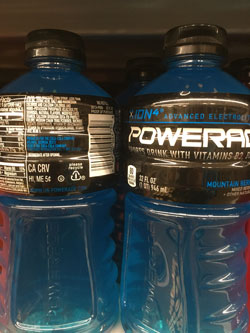
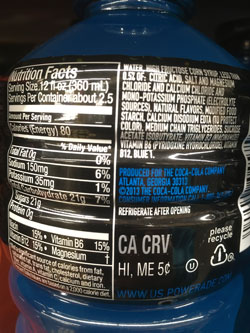
Artificial food colorings (AFC’s) effect children’s behavior. While children with attention deficit hyperactivity disorders (ADHD) and children with autism spectrum disorder (ASD) may be particularly effected by food additives and AFC’s, studies find AFC’s effect the behaviors of children in the general public and not limited to children with ADHD or ASD. A randomized double-blinded, placebo-controlled trial finds “artificial colors or a sodium benzoate preservative (or both) in the diet result in increased hyperactivity in 3-year-old and 8/9-year-old children in the general population” (McCann, D. et all, 2007, p1).
Three breaking ground consecutive studies in 2004 and 2007 examined the effects of artificial food colorings (AFC’s) and hyperactivity in preschool and 8 to 9 year olds, “the results of all 3 studies showed a small significant effect for all children, not just those meeting criterion A of DSM-IV ADHD [20]. This suggests that food AFCs are more of a public health problem than an ADHD problem (Arnold, L.E. et al, 2012, p602). These results led the United Kingdom government to insist AFC’s be removed from foods or a waning label to be used: “[this AFC] may have an adverse effect on activity and attention in children” (Arnold, L.E. et al, 2012, p602). The US continues to allow the use of AFC’s without warning.
Furthermore the cumulative effect of multiple food additives, AFC’s as well as flavor enhancers including but not limited to brilliant blue, quinoline yellow, aspartame, and MSG “present evidence that specific combinations of common food additives show synergistic effects” with toxic insults from common snacks or drinks ingested by children” (Lau, K., McLean, et al, 2005, p178).
All that said while the general population of children is behaviorally affected by AFC’s and food additives, children with ADHD already experiencing hyperactivity will experience increased behavior challenges. Furthermore, since hyperactivity is a common symptom of autistic disorders, this explains why parents of children with ASD who follow diets such as the Feingold Diet free of AFC’s, flavors, certain preservatives and foods containing natural salicylates, find much relief from such dietary eliminations. According to Dr. Benjamin Feingold he claims “60 to 70% of the children he treated improved” (Arnold, L. E. 2012, p601).
Many diets are recommended for children with autism spectrum disorders including the Gluten Free Casein Free Diet, the Feingold Diet, The Body Ecology Diet, the Specific Carbohydrate Diet (Kobliner, V. 2012), and more. One common thread is avoiding unnatural substances like AFC’s and other artificial additives while sticking to natural whole foods and a nutrient dense diet.
Resources:
Arnold, L. E., Lofthouse, N., Hurt, E. (2012). Artificial food colors and attention-deficit/hyperactivity symptoms: conclusions to dye for. Neurotherpaeutics. 9:599-609. Retrieved from https://www.ncbi.nlm.nih.gov/pmc/articles/PMC3441937/
Kobliner, V. (11, October 2012). Dietary Options [Webinar]. Autism Research Institute. Retrieved from https://www.autism.com/treating_diets
Lau, K.., McLean, WG, Williams, D.P, Howard, C.V., 2005. Synergistic interactions between commonly used food additives in a developmental neurotoxicity test. Toxicological Sciences. 90(1) p178-187. Retrieved from https://academic.oup.com/toxsci/article/90/1/178/1692258/Synergistic-Interactions-between-Commonly-Used
McCann, D., Barrett, A., Cooper A., et al (2007). Food additives and hyperactivity behavior in 3-year-old and 8/9-year-old children in the community: a randomized, double-blinded, placebo-controlled trial. The Lancet. Vol370.No9599. p1560-1567. Retrieved From: http://www.thelancet.com/journals/lancet/article/PIIS0140-6736(07)61306-3/fulltext , Also Retrieved From: https://cspinet.org/sites/default/files/attachment/mccann.pdf
By Lisa Shelton-Rohde, CHC, RYT200, CPT
November 8, 2017
Artificial food colorings (AFC’s) effect children’s behavior. While children with attention deficit hyperactivity disorders (ADHD) and children with autism spectrum disorder (ASD) may be particularly effected by food additives and AFC’s, studies find AFC’s effect the behaviors of children in the general public and not limited to children with ADHD or ASD. A randomized double-blinded, placebo-controlled trial finds “artificial colors or a sodium benzoate preservative (or both) in the diet result in increased hyperactivity in 3-year-old and 8/9-year-old children in the general population” (McCann, D. et all, 2007, p1).
Three breaking ground consecutive studies in 2004 and 2007 examined the effects of artificial food colorings (AFC’s) and hyperactivity in preschool and 8 to 9 year olds, “the results of all 3 studies showed a small significant effect for all children, not just those meeting criterion A of DSM-IV ADHD [20]. This suggests that food AFCs are more of a public health problem than an ADHD problem (Arnold, L.E. et al, 2012, p602). These results led the United Kingdom government to insist AFC’s be removed from foods or a waning label to be used: “[this AFC] may have an adverse effect on activity and attention in children” (Arnold, L.E. et al, 2012, p602). The US continues to allow the use of AFC’s without warning.
Furthermore the cumulative effect of multiple food additives, AFC’s as well as flavor enhancers including but not limited to brilliant blue, quinoline yellow, aspartame, and MSG “present evidence that specific combinations of common food additives show synergistic effects” with toxic insults from common snacks or drinks ingested by children” (Lau, K., McLean, et al, 2005, p178).
All that said while the general population of children is behaviorally affected by AFC’s and food additives, children with ADHD already experiencing hyperactivity will experience increased behavior challenges. Furthermore, since hyperactivity is a common symptom of autistic disorders, this explains why parents of children with ASD who follow diets such as the Feingold Diet free of AFC’s, flavors, certain preservatives and foods containing natural salicylates, find much relief from such dietary eliminations. According to Dr. Benjamin Feingold he claims “60 to 70% of the children he treated improved” (Arnold, L. E. 2012, p601).
Many diets are recommended for children with autism spectrum disorders including the Gluten Free Casein Free Diet, the Feingold Diet, The Body Ecology Diet, the Specific Carbohydrate Diet (Kobliner, V. 2012), and more. One common thread is avoiding unnatural substances like AFC’s and other artificial additives while sticking to natural whole foods and a nutrient dense diet.
Resources:
Arnold, L. E., Lofthouse, N., Hurt, E. (2012). Artificial food colors and attention-deficit/hyperactivity symptoms: conclusions to dye for. Neurotherpaeutics. 9:599-609. Retrieved from https://www.ncbi.nlm.nih.gov/pmc/articles/PMC3441937/
Kobliner, V. (11, October 2012). Dietary Options [Webinar]. Autism Research Institute. Retrieved from https://www.autism.com/treating_diets
Lau, K.., McLean, WG, Williams, D.P, Howard, C.V., 2005. Synergistic interactions between commonly used food additives in a developmental neurotoxicity test. Toxicological Sciences. 90(1) p178-187. Retrieved from https://academic.oup.com/toxsci/article/90/1/178/1692258/Synergistic-Interactions-between-Commonly-Used
McCann, D., Barrett, A., Cooper A., et al (2007). Food additives and hyperactivity behavior in 3-year-old and 8/9-year-old children in the community: a randomized, double-blinded, placebo-controlled trial. The Lancet. Vol370.No9599. p1560-1567. Retrieved From: http://www.thelancet.com/journals/lancet/article/PIIS0140-6736(07)61306-3/fulltext , Also Retrieved From: https://cspinet.org/sites/default/files/attachment/mccann.pdf