
What do I do to protect myself during cold and flu season?
By Lisa Shelton, M.Ed., CHC
March 14, 2020.
www.LovingWellnessNow.com
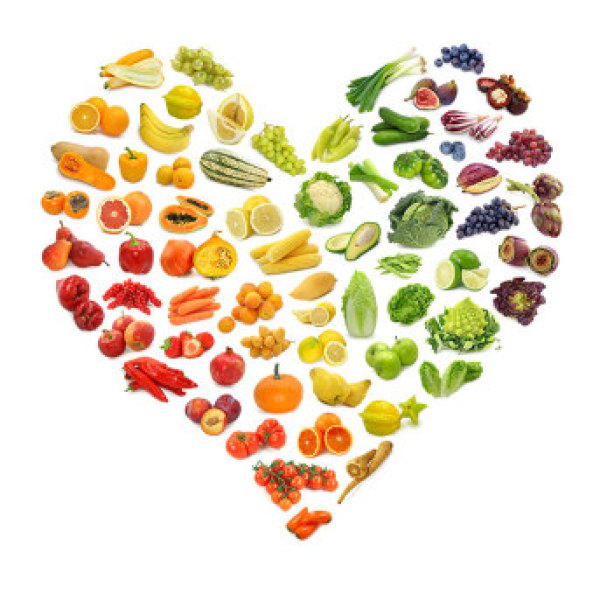
In general I like to give my body all the important building blocks or components to run optimally. So often today, because of over farming and depleted soils, our foods are deficient in essential vitamins and minerals. I believe it is more important to supplement today.
Keep in mind that quality supplement matter. Do your research on supplement companies. Not all areas in the world have the same level of quality or the same farming or organic standards. Avoid solvents or additives and look for bioavailable, methylated, and buffered options. Aim for powder, liquid, or capsules rather than tablets as tablets can contain more additives. Where are the ingredients sourced, how are they extracted, what tests are run to ensure purity…
Below you will find supplements, foods, teas, and oils I personally enjoy and use. Please keep in mind the information below is based on literature I have reviewed and for educational purpose only. It is always important to consult with your primary care provider before making any changes to diet and lifestyle especially if you take pharmaceuticals.
Foundational Supplements:
Theses are supplements that I find to be general building blocks to a healthy immune system.
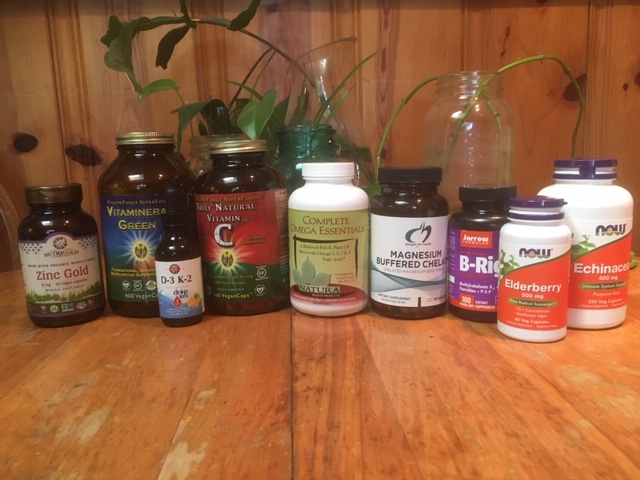
Vitamin C: antioxidant and immune supporting, best taken in divided doses 2-3 times daily. In some instances doctors may use high dose intravenous vitamin C to treat some patients with viral infections (Aslam, 2017, Cheng et al, 2020, Saul 2020, Hunt et al 1994).
Zinc: an essential mineral/trace element is party to more than a 100 enzymatic reactions in the body necessary for a healthy immune system integrity. In particular zinc has direct antiviral properties (Read, S.A., 2019, Fraeker et al. 2000, te Velthuis, A. J. 2010).
Magnesium: a cofactor in estimated 700—800 enzymatic reactions in the body ranging from muscle and nerve support to immune support, and is required to convert vitamin D to its active form (Dean, 2017).
Vitamin D3: Not only helps with calcium absorption and strong bones, it plays a very important role in modulating the immune response. Deficiencies can lead to increased vulnerability to infection and autoimmune disease. Vitamin can be made in the skin through sunshine exposure (though only without sun screen application and without showering). Furthermore, most people in the USA live too far north to get enough direct sunshine rays to make vitamin D even in the summer (Aslam, 2017, Martineau, 2017).
B Complex: Supports many systems in the body including a healthy brain and nervous system as well as supporting biochemical reactions in the immune system (Aslam, 2017).
Omega Complex with EPA and DHA and Cod liver oil with Vitamin A: Beneficial to so many systems in the body including growth, development, and brain health. A good source of vitamin A is important for not only vision but also the immune system (Aslam, 2017).
Probiotics: Supportive of a healthy microbiome and a healthy immune response for most people (those with SIBO may need to be very specific and target which probiotic strains they consume) (Azad et al., 2018, Eguchi, K. et al 2019).
Multivitamin Mineral: Look for a quality whole foods product and/or a product with methyl folate and methyl B12.
Probiotics: Supportive of a healthy microbiome and a healthy immune response for most people (those with SIBO may need to be very specific and target which probiotic strains they consume) (Azad et al., 2018, Eguchi, K. et al 2019).
Calcium (optional): may be a good addition to the diet if one is not tolerant of dairy and does not consume enough green leafy vegetables (green leafy vegetables are an excellent source of calcium and collagen for strong and flexible bones). Plays an important role not only in our skeletal system, calcium also helps in immune response signaling (Grinstein, S. & Klip, A, 1989).
Additional Supportive Supplements:
During certain seasons or circumstances, when stressed, fatigued, or unwell more support may be ideal. Increasing vitamin C, D3, and zinc during times of need is helpful, and considering further support may be warranted as well.
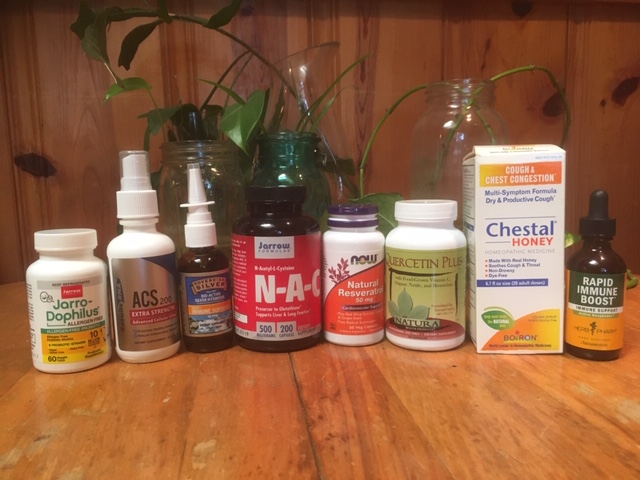
Quercetin: A natural food derived antioxidant that is anti-inflammatory and antihistamine, works most efficiently in combination with vitamin C. Excellent for allergy season, supportive of the cardiovascular system, and antiviral (Anand, 2016, Brenton 2014).
NAC: N-acetal cysteine is a precursor to glutathione which is a major antioxidant in the body, and supportive of the lungs and mucosal lining of the respiratory system. Immune supporting and excellent for those living through wildfire seasons. NAC is also known for breaking down mucus (Healthnotes, 2019).
Silver: Look for colloidal silver or a bioavailable silver in throat spray or nasal spray. Strengthening to the immune system and can repair cellular damage. Anti-viral, antibacterial and anti cancer. (Franco-Molina M.A. et al, 2016, Fatima M et al, 2016)).
Elderberry: rich in antioxidants and vitamins that support the immune system, and antiviral (Zakey-Rones, 2004).
Echinacea: antiviral, antibacterial, and anti-inflammatory, strains of avian influenza, herpes simplex, respiratory syncytial, and rhinovirus strains are all very sensitive to echinacea purpurea. (Hudson, J. 2011).
Resveratrol: antioxidant with adaptive immune regulation. Has been studies for effectiveness against some viruses (Lin, et al, 2017).
Astragalus: adaptogenic, modulates stress, immune supporting and antiviral (Kallon S. et al 2013)
Herb Pharm Rapid Immune Support: source of elderberry, echinacea, and several other immune supporting and adaptogens. Excellent aid when needing to ramp things up.
Boiron Chestal Honey: for Cough & Chest Congestion Homeopathic Medicine. Very soothing when dry or productive cough symptoms are bothersome.
Food as Medicine:
Cinnamon: Antioxidants help to fight infection, is anti-inflammatory, anti-fungal, and blood sugar balancing. (Fatima M. et al 2016, Shen Y. et al, 2012).
Garlic: Antiviral properties may be protective against the cold and flu. Garlic may help prevent and may shorten intensity and duration of infection (Mehrobod, P. 2008/2009).
Oregano: immune supporting, antibacterial and antiviral, oregano culinary herb may be immune supporting and oregano oil is natures strongest antibiotic (Giling, D.H. et al 2014).
Licorice: Immune boosting, stress reducing, supportive of the digestive system, antimicrobial, and antiviral (Wang, L. et al 2015).
Raw Coconut Oil: cold pressed unrefined virgin coconut oil is anti-microbial, anti-viral, anti-bacterial, and anti-fungal (Shilling M. et al, 2013).
I love to make a low temperature slow cook crock pot of soup on a regular basis. Packed full of bone and veggie broth, plenty of veggies (fresh or frozen), onion, lots of kitchen spices, rosemary, sage, thyme, oregano, garlic, ginger, turmeric, sea salt, and sea veggies. I portion this out into quart jars and reheat on the stove throughout the week. After reheating I will add some miso, coconut aminos, raw and cultured sauerkraut, and either a lightly cooked egg, or sprouted quinoa and avocado. Food such as this gets me through the worst of cold and flu season keeping me healthy.
My Favorite Teas:
Traditional Medicinals Tea:
Throat Coat with Lemon Echinacea, with Slippery Elm or with Eucalyptus
Echinacea Plus with Elderberry
Gypsy Cold Care
Stress Ease Cinnamon
Pukka Tea
Detox
Licorice and cinnamon
Relax
Gaia Herbs Tea
Bronchial Wellness
My Essential Oil Favorites:
On Guard
Breathe
Purify
Frankincense
Thyme
Rosemary (Brochot, A. et al 2017)
Oregano (Giling, D.H. et al 2014
Cinnamon (Brochot, A. et al 2017)
Eucalyptus (Brochot, A. et al 2017)
Tea Tree
There are any more wonderful essential oils. Always research quality, source, and how an oil is extracted. It is very important do your research as some oils may contain solvents and chemicals. I personally acquire my essential oils from doTerra and I am a Wellness Advocate affiliate of this company.
https://www.doterra.com/US/en/site/lovingwellnessnow
Disclaimer:
I am not a medical doctor, physician, registered dietitian, psychologist, or other licensed medical professional. I do not diagnose, treat, or cure illness. Information shared here is not intended to replace advice from a medical doctor or licensed health professional. Users of this site should always seek medical advice, diagnosis, or treatment regarding your unique health situation with your own primary care physician and other qualified care providers. Always consult with your medical doctor before making dietary and lifestyle changes. The content and materials shared in this site are gathered from my research and experience, and are for general health information only.
References:
Anand David, A. V., Arulmoli, R., & Parasuraman, S. (2016). Overviews of Biological Importance of Quercetin: A Bioactive Flavonoid. Pharmacognosy reviews, 10(20), 84–89. https://doi.org/10.4103/0973-7847.194044
Aslam MF, Majeed S, Aslam S, Irfan JA (2017) Vitamins: Key Role Players in Boosting Up Immune Response-A Mini Review. Vitamin Mineral. 6:153. doi:10.4172/2376-1318.1000153. https://www.omicsonline.org/open-access/vitamins-key-role-players-in-boosting-up-immune-responsea-mini-review-2376-1318-1000153.php?aid=87232
Azad, M., Sarker, M., & Wan, D. (2018). Immunomodulatory Effects of Probiotics on Cytokine Profiles. BioMed research international, 2018, 8063647. https://doi.org/10.1155/2018/8063647
Brenton K. Adam T. C., Uma, S.S. (2014). Quercetin: a promising treatment fo the common cold. Journal of infectious Diseases & Preventative Medicine 2:2. DOI: 10.4172/2329-8731.1000111. https://www.longdom.org/open-access/quercetin-a-promising-treatment-for-the-common-cold-2329-8731.1000111.pdf
Brochot, A., Guilbot A., Haddioui, L, et al. (2017). Antibacterial, anti fungal, and antiviral effects of thee essential oil blends. Microbiology Open. 6(4)e00459. https:/doi.org/10.1002/mbo3.459. https://onlinelibrary.wiley.com/doi/full/10.1002/mbo3.459
Cheng, R. Z, Shi, H., Yanagisawa, A., et al (2020). Early large dose intravenous vitamin c is the treatment of choice for 2019-nCov pneumonia. https://www.europereloaded.com/early-large-dose-iv-vitamin-c-is-the-treatment-of-choice-for-2019-ncov-pneumonia/
Dean C (2017) Magnesium. OMNS, http://www.orthomolecular.org/resources/omns/v13n22.shtml
Eguchi, K., Fujitani, N., Nakagawa, H. et al. Prevention of respiratory syncytial virus infection with probiotic lactic acid bacterium Lactobacillus gasseri SBT2055. Sci Rep 9, 4812 (2019). https://doi.org/10.1038/s41598-019-39602-7
Fatima, M. ., Zaidi, N. S., Amraiz, D. et al (2016). In vitro antiviral activity of cinnamomum cassia and its nanoparticles against h7n3 influenza a virus. Journal of Microbial Biotechnology. 26(1) 151-159. http://www.jmb.or.kr/submission/Journal/026/JMB026-01-19_FDOC_1.pdf
Fraker PJ, King LE, Laakko T, Vollmer TL. (2000) The dynamic link between the integrity of the immune system and zinc status. J Nutr. 130:1399S-406S. https://www.ncbi.nlm.nih.gov/pubmed/10801951.
Franco-Molina, M.A., Mendoza-Gamboa E., Zarate-Trivino D. G. et al (2016). In vitro evaluation of colloidal silver on immune function: antilymphoproliferative activity. Journal of Nanomaterials. vol 2016. ID 4176212. https://doi.org/10.1155/2016/4176212
Giling D.H. Kitajima, M. Torrey J.R. et al (2014). Antiviral efficacy and mechanisms of action of oregano essential oil and its primary component carvacrol against murine norovirus. Journal of Applied Microbiology. 116(5): 1149-63. https://www.ncbi.nlm.nih.gov/pubmed/24779581
Grinstein, S., & Klip, A. (1989). Calcium homeostasis and the activation of calcium channels in cells of the immune system. Bulletin of the New York Academy of Medicine, 65(1), 69–79. https://www.ncbi.nlm.nih.gov/pmc/articles/PMC1807782/
Healthnotes (2019). N-acetyl cysteine uses. https://wa.kaiserpermanente.org/kbase/topic.jhtml?docId=hn-2888006
Hudson, James (2011). Echinacea - a source of patent antivirals for respiratory virus infections. Pharmaceuticals. 4(7):1019-1031. 10.3390/ph4071019. https://www.ncbi.nlm.nih.gov/pmc/articles/PMC4058675/
Hunt C et al. (1994). The clinical effects of Vitamin C supplementation in elderly hospitalised patients with acute respiratory infections. Int J Vitam Nutr Res 1994;64:212-
19. https://www.ncbi.nlm.nih.gov/pubmed/7814237
Kallon, S., Li, X., Ji, J., Chen, C., Xi, Q., Chang, S., Xue, C., Ma, J., Xie, Q., & Zhang, Y. (2013). Astragalus polysaccharide enhances immunity and inhibits H9N2 avian influenza virus in vitro and in vivo. Journal of animal science and biotechnology, 4(1), 22. https://doi.org/10.1186/2049-1891-4-22
Lin, S.C., Ho, C.T., Chuo, W.H. (2017). Effective inhibition of mers-cov infection by resveratrol. 13;17(1):144. doi: 10.1186/s12879-017-2253-8. https://www.ncbi.nlm.nih.gov/pubmed/28193191
Martineau AR, Jolliffe DA, Hooper RL et al. (2017) Vitamin D supplementation to prevent acute respiratory tract infections: systematic review and meta-analysis of individual participant data. BMJ. 356:i6583. https://www.ncbi.nlm.nih.gov/pubmed/28202713.
Mehrbod P. Amini E., Tavassoti-Kheiri, M. (2008/2009). Antiviral activity of garlic extract on influenza virus. Iranian Journal of Virology. 2(1). http://journal.isv.org.ir/article-1-205-en.pdf
Read, S.A., Obeid, S., Ahlenstiel, C., Ahlenstiel, G., (2019). The Role of Zinc in Antiviral Immunity, Advances in Nutrition, 10(4):696–710, https://doi.org/10.1093/advances/nmz013
Saul AW. (2020). Nutritional treatment of coronavirus. Orthomolecular Medicine News Service, 16:6, Jan 30, 2020. http://orthomolecular.org/resources/omns/v16n06.shtml
Shen, Y., Jia, L. N., Honma, N., Hosono, T., Ariga, T., & Seki, T. (2012). Beneficial effects of cinnamon on the metabolic syndrome, inflammation, and pain, and mechanisms underlying these effects - a review. Journal of traditional and complementary medicine, 2(1), 27–32. https://doi.org/10.1016/s2225-4110(16)30067-0
Shilling M., Matt, L., Rubin, El, et al (2013). Antimicrobial effects of virgin coconut oil and its medium-chain fatty acids on clostridium difficile. Journal of Medicinal Food. 16(12):1079-85. https://www.ncbi.nlm.nih.gov/pubmed/24328700
te Velthuis, A. J., van den Worm, S. H., Sims, A. C., Baric, R. S., Snijder, E. J., & van Hemert, M. J. (2010). Zn(2+) inhibits coronavirus and arterivirus RNA polymerase activity in vitro and zinc ionophores block the replication of these viruses in cell culture. PLoS pathogens, 6(11), e1001176. https://doi.org/10.1371/journal.ppat.1001176
Wang, L., Yang, R., Yuan, B., Liu, Y., & Liu, C. (2015). The antiviral and antimicrobial activities of licorice, a widely-used Chinese herb. Acta pharmaceutica Sinica. B, 5(4), 310–315. https://doi.org/10.1016/j.apsb.2015.05.005
Zakey-Rones, Z., Thom, E., Wollan T., et al (2004). Randomized study of the efficacy and safety of oral elderberry extract in the treatment of influenza A and B virus infections. Journal of International Medical Research. 32(2):132-40. https://journals.sagepub.com/doi/10.1177/147323000403200205