
Loving Wellness Now
Lisa Shelton

How to Integrate Holistic Nutrition Education Into the Elementary Curriculum

The following is a sneak peak into my SOU MAT program, action research progress.  A wonderful and meaningful work in progress, offering very inspiring direction for school wellness programs:

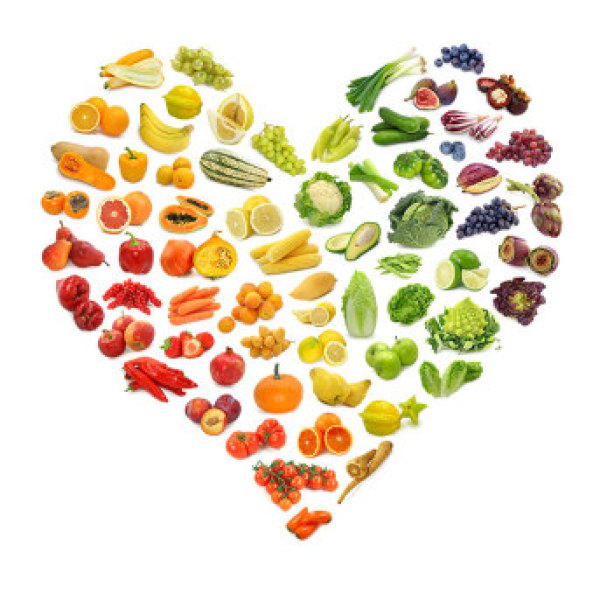
board-765311_copy

How to Integrate Holistic Nutrition Education

Into the Elementary Curriculum

By Lisa Shelton Rohde

December 2015


In the wake of an increasingly toxic world, and the Standard American Diet (SAD), health concerns in all ages are on the rise, sadly including children. “In the past 30 years, childhood obesity has increased exponentially, doubling in children and nearly tripling in adolescents... Obese youth are more likely to be at risk for factors leading to cardiovascular disease, type 2 diabetes, bone and joint problems, and social and psychological problems” (Rodriguez, Lamm, Odera, Owens, Thompson. 2015, p1). Furthermore cancer is on the rise and allergies are plaguing increasing numbers of children. Children need to learn the skills and tools to be responsible for their own health, and a path of awareness and prevention is best begun at a young age.

Schools, as a means of social re-constructivism, are in a position to contribute towards the development of, vibrant, healthy, and mindful leaders of tomorrow.  Additionally “there is strong evidence linking healthy nutrition and physical activity with improved academic performance and classroom behavior among school-age children” (Hughes, Savoca, Grenci. 2015, p1).  In other words feeling good in ones body is crucial to enhance clarity of mind, student focus, and academic performance.

Children today need healthy role models more than even.  Currently the world is more polluted, and our food is more processed and denatured then ever before. Furthermore, children, for the percentage of their body weight, breath more air, drink more water, and eat more food than adults do, and furthermore their skin is more porous and absorbent, thus, children bare the brunt of our toxic world.  Children are born into this world with a toxic soup of pollutants already in their little bodies.  If we are to give the children of today a bright future, children need to learn how to care for themselves, and the environment, and food is a place of leverage and fertile ground to steer kids in an empowered direction of wellness and environmental stewardship.   

Children need good leaders to demonstrate and model healthy lifestyle. One of the biggest challenges teachers face today is having been raised with the SAD diet themselves, and having received very little health coaching in their lifetime. Many teachers attitude towards instructing health and nutrition suffers from lack of knowledge, preparedness, and time in the school day. Teachers should feel empowered to learn about a topic as intrinsically important as wellness and nutrition. “Having a diet high in fruit and vegetable intake and low in excess sugars is essential to maintaining a healthy body weight” (Rosemond, Blake, Jenkins, Buff, Moore 2015, p.1). Practicing nutritional insight will benefit teachers and students alike, not to mention the healthy ripple effect it will have beyond the school.

As a certified health coach, CHC, my vision as a teacher is to inspire healthy, happy, and vibrant students making positive changes in this world. Initially during phase one of my research, I asked, how to integrate holistic nutrition education into the elementary curriculum? I then defined Holistic Nutrition Education.  Holistic Nutrition goes beyond the basics of food and eating, to include all the enriching primary foods in our life such as exercise, relationships, creativity, spirituality, and joy to name a few, as these qualities in life support the whole child... The following literature review, offers insights into healthy directions for schools.

Background

Schools As a Vessel for Improving Children's Health

Because children have reoccurring contact with schools throughout their years, schools serve as an important opportunity to provide continuous nutrition education and accountability over time. “It has been shown that increased exposure to messages increases both understanding and retention of information; repeated exposure to health messages has a great impact” (Rosemond, et al, 2015, p5). Making changes in diet can be very challenging especially if you already harbor a tone of unhealthy habits. The ability of schools to provide repeated messages and accountability over time and years, enhances ones ability to integrate new and healthier beneficial habits into ones life.

The Junior Doctors of Health (JDOH) mentoring and skill building program in South Carolina schools, with students (133 students with intervention) in grades 4-6, set out to increase student “self-efficacy” for healthy food choices through offering  in collaboration with a medical university, school district, and community organization. The partnership afforded a sustainable approach without financial burden. The JDOH program provided three, one-hour long sessions in which students learned about nutrition, healthy snacks, the human body, skill building, and health related careers. Students logged the amounts of fruits, vegetables and sugary-beverages consumed between sessions.

The JDOH study determined, positive trends in healthy food choices, although, results were not significant statistically speaking. Self-efficacy with increased veggie consumption was significant for boys and girls at P<.05 (Rosemond et al, 2015). More specific examples, the intervention group boys showed a mean increase of more than 9 servings of vegetables each week. Girls decreased consumption of sugary beverages and 100% fruit juice by about 4.5 servings a week.  Thus three nutritional knowledge sessions with reflective assignments, or food logging between sessions, proved to enhance positive trends in healthier food choices among students. Longer term exposure to the JDOH program may result in more significant healthy food choices, thus more long term study is needed. 

The study implementing JDOH does mention that some of the students in intervention and control groups may have received the JDOH program as many as 2-4 times over the years. This draws question to the conclusions of this study. One might steer continuation of this study in a direction in which kids receiving the JDOH program repeatedly from year to year might show greater self-efficacy for increasing healthier food choices than kids new to the program.

Integrate Nutrition Education into the Curriculum Subjects

Currently very little emphasis in the classroom is on nutrition education. “On average, students received < 4 hours of nutrition instruction per year. Research suggests at least 10-15 hours of classroom-based education is required to produce medium effects... on health knowledge” (Carraway-Stage, Hovland, Showers, Díaz, Duffrin. 2015, p1). Health can certainly be integrated into the curriculum, science, math, reading and writing, music, art.  Science certainly offers a way to increase nutritional knowledge while offering meaningfulness and interconnectedness to a subject as well as a hands on, integrative approach to learning (Carraway-Stage et al. 2015).

The Carraway-Stage study of 2009-2010, with nine fourth grade classrooms incorporated FoodMASTER Intermediate nutrition into their science curriculum (8 classrooms were the control).  Though, classrooms were recommended  and not randomized or intervention based on likely teacher cooperation.  Students were evaluated through questionnaires that were given uniformly pre and post intervention. The findings determined there was significant nutritional knowledge improvement p<.01 following post intervention (Carraway-Stage et al. 2015). The study suggests continued improvements of their nutrition integration curriculum will produce larger gains in nutrition knowledge. Integrating nutrition education may bring more meaningfulness to other topics and therefore higher transferring and processing rates.   It would be interesting to see future studies geared towards determining whether student gained knowledge of a certain content area, such as science, or math, is simultaneously increased with incorporation of meaningful and interactive nutrition curriculum integration.

Youth Advisory Council For Wellness

When adopting a school wellness policy why not “empower students to present input, insights, and ideas about nutrition and physical activity recommendations at their school” (Hughes et al, 2015, p2). A student led Youth Advisory Council (YAC) is just the team to manage the task. Engaging students to take leadership and ownership of their health, and to look out for the health of their peers, will no doubt nurture any school community deeply.

The Hughes et al study formed one such YAC for School Wellness involving 15 students, grades 3-6 (Hughes et al, 20153). Due to time and budget constraints the Wellness YAC was adopted by the existing Paulsboro Active Learning Center Student Council after school program.  Phase I survey results indicated students concern for cafeteria menu improvement, request for more fruits and veggies, and complaints about the food lines. Additionally, majority of students enjoyed PE but requested improved recess play equipment such as balls and jump ropes. During Phase 2, the cafe menu was improved with more fruits and vegetables, serving line observations detected insufficient number of food trays slowing the line, so more trays were purchased. The PE teacher received positive report back. A needs list was created and resulted in “the purchase of a basketball court, a Dance Revolution group game system, balls, jump ropes, baseball equipment, footballs, and so forth with grant funds provided through the AFHK grant” (Hughes et al, 2015, p4). Additionally storage and locks were provided for equipment.

Youth Advisory Councils serve as an important voice in supporting school wellness initiatives. “Students have important opinions, and good ideas... engaging them in the wellness conversation, they take ownership of school wellness projects” (Hughes et al, 2015, p5). When students take leadership of their school and ownership of their health they take on a positive-growth mindset, and these students will likely excel in many areas. Additionally, some peers learn better from people their own age, and receiving the wellness message from a peer who cares is really powerful. Future studies could look at how students do academically when they engage in a YAC Wellness team.

Healthy Foods & Holistic Nutrition in the Garden

School based gardens serve as an opportunity to integrate holistic nutrition education into the curriculum. While kids spend time in the garden planting, weeding, or harvesting, while engaging and learning knowledge of food production, they are also spending time outdoors, having fun, moving around, and working hard. Children learn to work together collectively, and they discover the symbiotic relationship between people and veggie plants; we need each other to thrive. The garden goes beyond food nutrition to include many of the primary foods in ones life including joy, creativity, exercise, relationships, life skills, and more. “Research has show that Extension school garden programs help increase student activity and health (Odera et al., 2013; Phelps, Hermann, Parker, & Denney, 2010)” (Rodriguez et al, 2015. p. 1-2). The garden is enriching and a suitable topic to integration in all core curriculums. Furthermore, “Gardens are said to increase student academic and social skills (Armstrong, 2000; Blair, 2009; Ozer, 2007)” (Rodriguez et la, 2015, p5)

Based in, Florida the Rodriguez et al Study of 2011-2013 focuses on three schools representing minority African American and Hispanic demographics. Specifically these rural, low income and poverty stricken communities were sought out for the study to determine the beneficial impacts of a school garden program. The study focused on determining students feelings and perceptions of how their lives were impacted from the school garden program (Rodriguez, et al 2015) in addition to increasing knowledge of food production, and providing “children with the skills and knowledge to lead healthy lives is a way to combat this epidemic” (Rodriguez, et al, 2015, p1) of obesity.

Students received a questionnaire driven by a moderator guide and “Overall, the participants thought gardening at school was a great idea and that it would be beneficial to have gardens in other schools” (Rodriguez et al, 2015, p2). Participating students said things such as “The garden provides food and energy to help you grow” (Rodriguez et al, 2015, p.3) and “Vegetables help the immune system and blood pressure and help prevent disease” (Rodriguez et al, 2015, p3). Another participant says, “We need plants because the air that we breathe it has chemicals in it so when it goes through the leaves it gets stuck on the leaves and new air come out” (Rodriguez, et al, 2015, p3). Also, “We get to have fun and plant vegetables for people who don’t have vegetables to buy... vegetables could be donated” (Rodriguez et al, 2015, p3). Two participants said their veggies “had to be with cheese” (Rodriguez et al, 2015, p4), and another said, “I just eat my vegetables raw because it’s better” (Rodriguez et al, 2015, p4). Most students felt eating veggies was important but a few disagreed (Rodriguez et al, 2015).  The research shown concludes that school garden programs improve student health and increase activity. (Rodriguez et al, 2015) Furthermore, Participants gained technical skills through participation and it was determined gardens could save money, access safer veggies, and gardens are overall a source of pride (Rodriguez et al, 2015). It was believed gardens provided many health benefits, could be used to help others, and as a means to save money or earn income. (Rodriguez et al, 2015).

This study recommended future programs offer participants basic knowledge and training before tromping out to the garden to ensure students feel confident, and better prepared to participate. Additionally, with more time to get to know each other, participants and coordinators will feel more comfortable working with each other. (Rodriguez et, al, 2015). This study recommends garden programs reach out to minority populations and embrace these children with healthy lifestyle.  Participants did not speak of an increase in vegetable consumption at home and further studies in this area are needed (Rodriguez et al, 2015). One such way to increase home vegetable consumption may be through a nutrition program for parents and teachers.

Parallel nutrition programs for teachers and parents

Offering a program geared towards teachers and parents to parallel what kids are learning in school may offer resolution to healthy modeling which students need.  However, the majority of teachers may lack knowledge and training, or may not be prepared to integrate nutrition concepts (Carraway-Stage et al, 2105, and Rosemond et al, 2015). Offering an opportunity for teachers to become better healthy models, and amp up their nutrition knowledge, will certainly benefit students and teachers alike.

Children learn by observing others in their lives and social learning theory suggests parents, teachers and people of important authority in a child's life influence children by role modeling.“Parents who model fruit and vegetable intake and regular physical activity typically have children with these diet and exercise patterns (Gross, Pllock, & Braun, 2010; Stauss, Rodzilsky, Burack, & Colin, 2001). In contrast, adult modeling of fast food consumption and provision of fast food meals is associated with child sugar-sweetened beverage consumption and obesity” (Tate, Unger, Chou, Spruijt-Metz, Pentz, Riggs. 2015. p1-2).  Thus, influence from important role models such as parents and teachers, can have positive or negative effects on children's adopted life behaviors.

Through a series of survey tests conducted at randomized elementary schools in southern California, results determined that executive function was effected in children who consumed a higher amount of high calorie low nutrient (HCLN ) foods. Additionally there was a significant indirect effect, p<.001 (Tate et al, 2015) of HCLN consumption in children who perceived higher frequency of fast food consumed by parents or role models.  “Executive Function (EF) is a a set of psychological processes that could potentially influence the observational learning process... Guide self-regulation, goal-oriented problem-solving, planning, and emotion regulation... key EF components include attention, working memory, and inhibitory processes” (Tate et al, 2015, p2).

The findings conclude EF challenged children may have difficulty understanding parents occasional choice of fast food as an “isolated event” and not a new pattern to mimic (Tate et al, 2015), or perhaps they perceive their parents fast food consumption is more frequent over time leading children to their own increasing amounts of HCLN foods. Thus proficiency in “EF could aid children in making personal decisions that align with long-term benefits, such as controlling impulsive eating” (Tate et al, 2015, p5-6). Most importantly this study points to a program for parents and teachers that not only addresses how to be a better healthy model, but more effectively, a program would include coaching on how to explain to children an occasional less healthy but convenient or sugary treat is not the norm.

More...

References:

Carraway-Stage, V., Hovland, J., Showers, C., Díaz, S., & Duffrin, M. W. (2015). Food- based science curriculum yields gains in nutrition knowledge. Journal of School Health, 85(4), 231-240. Retrieved from http://onlinelibrary.wiley.com.glacier.sou.edu/doi/10.1111/josh.12243/epdf

Hughes, L. J., Savoca, L., & Grenci, A. (2015). Empowering youth to take charge of school wellness. Journal of Extension, 53(3), 6. Retrieved from                                                                     http://search.proquest.com/docview/1720062246?accountid=26242

Rodriguez, M. T., Lamm, A. J., Odera, E., Owens, C., Thompson, S. (2015). Evaluating Impacts of School-Based Extension Garden Programs from a Child’s Persepective. Journal of Extension, 53(1), 1RIBM4.  Retrieved from http://search.proquest.com/docview/1697486582?accountid=26242

Rosemond, T.N., Blake, C. E., Jenkins, K.A., Buff, S.M., Moore, J.B. (2015). Dietary Improvements Among African American Youth: Results of an Interactive Nutrition Promotion Program. American Journal of Health Education. 46, 40-47.  Retrieved from http://search.proquest.com/docview/1697495089?accountid=26242

Tate, E. B., Unger, J. B., Chou, CP, Spruijt-Metz, D., Pentz, M. A.,Riggs, N. (2015) Children’s Executive Function and High-Calorie, Low-Nutrient Food Intake: Mediating Effects of Child Perceived Adult Fast Food Intake, Health Education & Behavior, 42(2), 163-170.  Retrieved from   http://search.proquest.com/docview/1697503484?accountid=26242


Lisa Shelton

It's Time To Reconsider Our 'National Addiction' - Sugar

Published In: The Valley Times - Oct. 15 2013

It’s time to reconsider our “National Addiction’ - sugar

By Lisa Rohde

For the VT

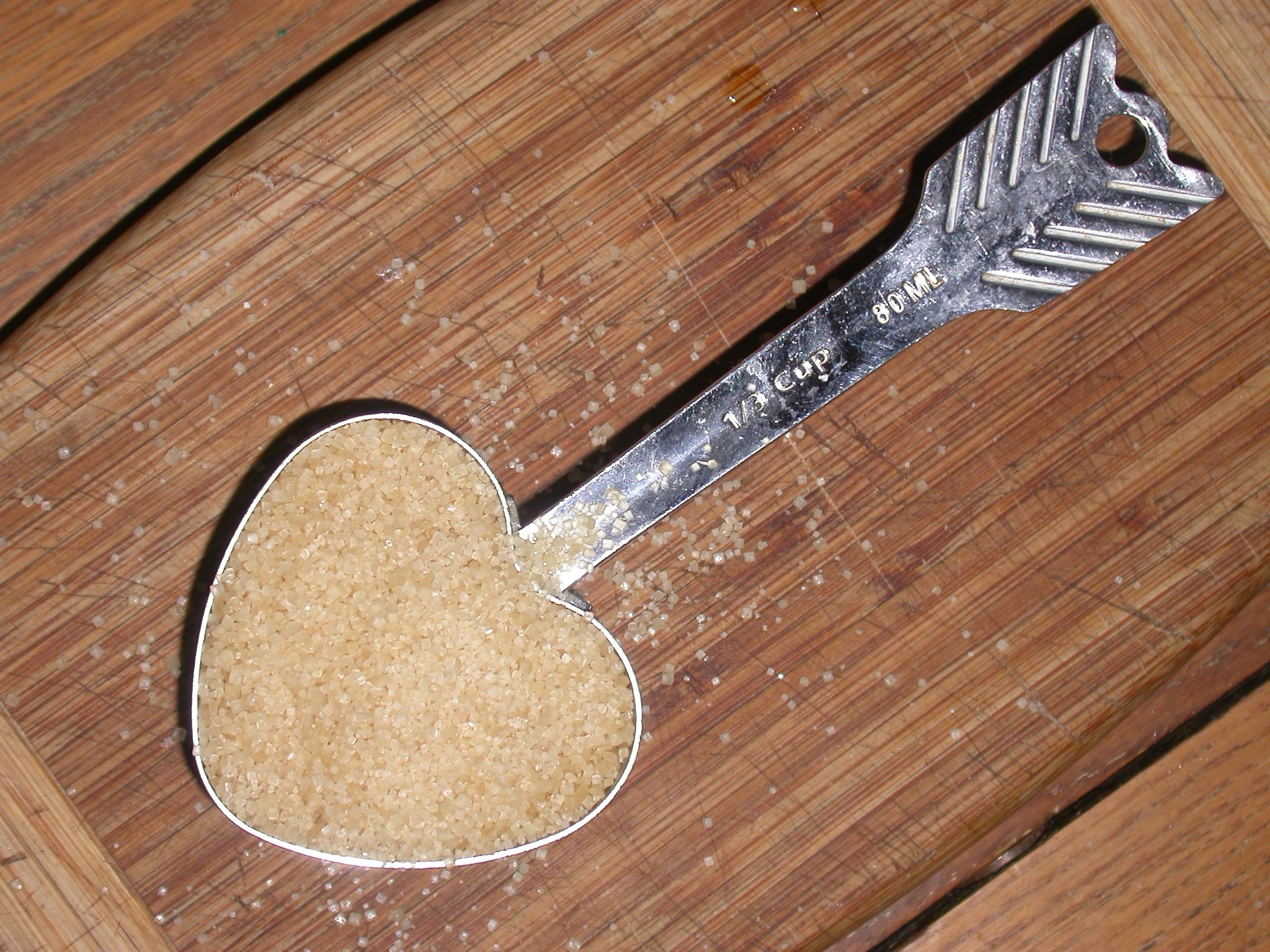
SugarA_copy1

What Exactly Is It About Sugar?  Why does “Sugar” make the cover of National Geographic Magazine?  What exactly is it about sugar, this so called slow acting toxic substance.  Sugar is also known as our “#1 National Addiction” 

“Our sweet tooth may be killing us” according to Nancy Appleton, PhD.   Time to wake up and embrace whole foods back into your hands in order to protect your health and avoid hidden sugars!

Do you experience a sugar roller coaster?  You may crave something sweet, junk food, candy, or refined foods like bread or pasta.  These short chain carbohydrate foods metabolize very quickly, so while they may give us a burst of energy, they leave us suddenly feeling tired and craving another round of sugar, or a refined carbohydrate fix, or perhaps a chemical form of energy such as caffein in coffee; yes flour, refined foods, and breads break down as sugar in our bodies.

Time too to look out for what is being fed to our children in schools?  Is your child eating pizza, fried chic-n-nuggets, and corn dogs at school?  Does your child wash it down with low fat chocolate milk at school lunch five days a week.  One such carton of chocolate milk reads 26g sugar, this is approximately 5 tsp of sugar.  What about vegetables and greens?  These are the number one missing foods in the American diet.  How often are they on your child's school plate?  Furthermore, Halloween is around the corner and sets our children up for sugar frenzies through the rest of the Holiday season.

In fact when eaten in excess, sugar is processed and stored as triglycerides, unhealthy fat that is not easily accessed as fuel later, but rather stored away in the body as a “keep sake”.  Sugar, in combination with all of the bad fats and fried foods consumed at large in schools and elsewhere, is setting our children up for future health failure.

Virtually every known disease be it heart disease, diabetes, or cancer is on the rise and likewise these illnesses are increasing in our children.  The human body is always trying to maintain balance or equilibrium, and optimal health is found at a slightly alkaline pH around 7.45.  When we eat too many sweet foods, sweetened beverages, candy, pastries, refined breads, pasta, and acidic meats especially pork... we create an acidic pH.  When we become too acidic due to the foods we eat, or environmental toxins found in the air, water, food, and pharmaceuticals we consume, we become weaker and sick. We display our individual symptoms be it allergies, food or sugar sensitivities, fatigue, headaches, inflammation and pain, frequent colds or coughs...  Specifically sugar, refined foods, excess meats and cheeses, alcohol and caffein, all create an acidic environment, so avoiding these or keeping them in moderation is necessary for optimal health.  Not to mention what foods are being fed to the sick in hospitals?

Keep your cravings under check, make sure you are hydrated first, try protein next, then go for sweet vegetables like carrots, squash, and radishes to help you fulfill your sweet tooth.  Try carob powder mixed with nut butter and use this as a dip for carrots or apples, yum.  Cultured foods like sauerkraut and kimchi help to reduce sugar cravings too.  Redefine treat as something nourishing for you.

Halloween is on the brink of the horizon and with it comes an abundance of unhealthy candies.  With luck you may be able to find a dentist willing to buy back candy from your children.  However, if no such alternative option exists in your area, you may consider setting up a barter system with your children.  This way your children can enjoy all the fun with the other kids running the streets in costume, yet they can go home to good values and their favorite safer goodies.  I personally love the barter system.  I prepare a bundle of my boys favorite organic goodies:  Nana’s No Gluten No Dairy, Lemon, Ginger, or Chocolate Cookies, quality raw low glycemic Chocolate, Non-hydrogenated Veggie Chips, black currants and other dried fruit (so long as it is not sugar coated), pumpkin and veggie muffins.  Upon returning from trick or treating, I barter with my boys.

My goodies of course are bigger, organic and may cost more than the cheap and little sugar candies from the streets, so be sure to barter wise.  You will want to be sure that they exchange every last piece of junk for your wisely chosen goodies.  Don't be shy, insist on an entire handful of junk in exchange for the good raw chocolate or homemade pumpkin muffin because you put a lot of your time and care into it.  In the end, my boys are delighted and they have next year to look forward to.  Now, what to do with all of the unwanted candy junk?

As for holidays get togethers -- pot lucks, Thanks Giving, Christmas, New Years -- be sure to bring a desert you know is safe for you children to eat.  Bring something that is sweetened minimally only with natural sweeteners such as molasses, maple syrup, honey or stevia that way you are covered.

Lisa Rohde Certified Holistic Health Coach CHC, AADP, is an expert in the field of preventative medicine, nutrition and life coaching, with a professional certificate from the Institute of Integrative Nutrition. Rohde offers individual counseling, workshops, and group classes. Connect with Rogue Living Well on Facebook and to learn more visit RogueLivingWell.com.

Lisa Shelton

MTHFR FUT2 Living With Genetic Mutations

Year, 2015

MTHFR, FUT2 & Living with Genetic Defects

By Lisa Rohde, CHC

Trying to remember acronyms is not always easy but when it comes to MTHFR and FUT2, Mother FXXXer and FXXK You Too is quite easy to remember.  When you grasp the concept of what it means to live with MTHFR, FUT2 and other similar genetic defects, you will understand where these terrible language slogans accompanying these acronyms comes from, but first you have to understand Methylation.

Do you have a family history of heart disease or stroke, miscarriages, chronic migraines, depression or irritably bowel syndrome (IBS)?  If yes, than you may be interested in looking in to your family genes.  Genetic testing is readily available and easy to do with a simple blood test, ask your doctor.

First lets understand methylation.  Methylation is a biochemical process that builds neurotransmitters dopamine and corotomin, produces energy, processes hormones, builds immune cells, turns genes on or off, synthesizes DNA, produces protective coatings on our nerves, and detoxifies out cells; this happens in all of our body cells.

One cannot be vibrantly healthy if we are not methylating efficiently.  Symptoms of poor methylation and toxic overload include allergies, fatigue, autism, PMS, heart arrhythmia, and palpitations, IBS, Crone’s, depression, MCS, Alzheimer’s, sleep disorders, and dementia to name a few.  Things that further negatively effect methylation include a deficient diet, genetic mutation, toxic exposure, stress, virus, or infection.

Methylations is the action of an enzyme and enzymes are very fragile and easily damaged by toxins in particular heavy metals.  We are all exposed to toxins in the our air, water, foods we eat, pharmaceuticals, and in general the world today.  Mercury can block methylation and induce a B-12 deficiency.  Proper methylation requires V-B complex, V-B12 and folate.  

What you need to know about the MTHFR genetic defect is that is disrupts the Methylation process reducing your ability to detoxify cells to perhaps only 40%-70%.  This means that you don’t break down toxins or heavy metals well and you could find yourself with heavy metal overload, too much iron, copper, lead, or mercury...

Furthermore, someone with MTHFR gene mutation must avoid all non active or synthetic forms of folate, also known as folic acid, which is found in your average V-B complex and many “enriched” foods.  Look on the food package and if you see the words “enriched” don’t eat it.  Synthetic folate is not metabolized by one with MTHFR gene mutation and instead builds up in the body as a toxic poison.  Too much synthetic folate can cause high homocystein which can lead to coronary heart problems, increased blood pressure and risk of dementia.  The best form of V-B and V-B12 is Methyl B-12 or Methylcobalamin.

FUT2, or fucosyltransferase 2, is a genetic mutation linked towards decreased bifidobacterium, a friendly gut flora, and is associated with Crone’s Disease and IBS.  FUT2 forms sugar polymer known as oligosaccharide which is food for beneficial gut flora.  Approximately 20% of the population has FUT2 gene mutations.  Nutritional strategies and intensive probiotic therapies, along with avoiding toxics and antibiotics will help one manage the FUT2 gene mutation.

The bottom line is living with genetic mutations lowers your immune system and increases your risk of heart disease, cancer, and mental health.  What this means for one with such genetic mutations is that one has to be very careful regarding their nutrition and lifestyle choices.  One has to eat a highly nutritious and cleansing diet, seek probiotic therapy, avoid antibiotics, and be sure to have a healthy lifestyle with plenty of exercise.

How does one end up with a genetic defect, these defective genes are passed down from your parents, your mother, your father, or both parents.  If you discover you have a genetic defect it may be wise for other family members to be tested as well.  Conditions associated with various genetic defects can be managed with nutritious and healthy lifestyle choices.


Lisa Shelton

Core Heart Health Values

April, 2015

Core Heart Health Values

by Lisa Shelton Rohde, CHC

Your heart health is your core center.  Your heart is a ticking clock or a battery that keeps things moving and functioning, as your blood moves throughout your body, in rhythmic flow from your heart center.  By tuning into the needs of your heart and keeping this battery charged your heart has the ability to carry you through many long and active years in life.

The liver is your hearts companion.  The liver is responsible for purifying all the blood your heart is to send around your body.  The liver works hard to remove toxins and either processes or stores toxins away in the body as demanded.

Diet and lifestyle are at the core of your hearts health.  Recognizing that todays world is more toxic than our ancestry ever faced, and taking action to reduce your toxic load, is necessary to protect your heart.  Though, in todays world, by way of the air we breathe or absorb through our skin, the water we drink, and the food and pharmaceuticals we consume, toxins are impossible to avoid completely.  But we do have the ability to reduce our toxic load.  Therefore we have to be willing to embrace new ways of life in order to persevere.

Literally, the United States ranks 100 out of 100 countries in health and yet we are the wealthiest nation, why is this should we be rated at least in the top 10 if not the top 3:

64% of Americans are overweight or obese
Obesity is the second largest preventable cause of death in the U.S. (smoking is #1)
Obesity and diabetes are global problems affecting millions and over 1 billion people worldwide 
Obesity is major risk factor for type 2 diabetes, however, you can be a lean diabetic too. 
At least 65 percent of people with untreated diabetes die of some form of heat disease or stroke.
Overweight and obese youth has increased 3 to 1 in every 3 American kids and teens 
Obesity is the leading cause of premature heart attack.
Overweight Children are at an increased risk of heart disease beginning at age 25.
Type 2 diabetes, once referred to as “adult onset” diabetes is largely preventable with proper diet and physical activity.  
Until recently most  cases of children diabetes were type 1, which is mainly genetic origin.  But today as many as 45% of newly diagnosed diabetes in children are preventable type 2. (According to the American Heart Association)

It is time to reclaim your health.  We have to look to our ancestors and learn what we can from them.  We also have to pay attention to our contemporary world and all of the toxins we face on a daily basis.  We as individuals have to be responsible for our own health.  It is extremely rare to find a doctor out that that can answer all your questions or provide you with all the answers, ultimately you need to be proactive in life, learn what you can from the experts, do your own research and learn to listen to your inner gut as you move into a new way of living and eating.

Ultimately you are going to want to consume a diet that is organic and high in vegetables in particular dark green leafy veggies including broccoli.  Let your plate be 70-80% green veggies breakfast, lunch and dinner.  Focus on whole foods as nature intended, foods that have not been denatured at all.  Think whole grains such as quinoa, millet, amaranth to name a few seed like grains.  Or perhaps short grain brown rice (lowest glycemic rice), or whole steel cut oats if you are tolerating true grains.  Lean proteins with healthy fats including beans, seeds and nuts in moderation.  If you must, wild caught sockeye salmon ideally or chicken.  Consuming cultured veggies with animal protein is a must and ideal with any food consumption at all.   

Today there is irrefutable science that supports vegetarian, and better yet vegan lifestyles, as the healthiest, cleanest, most free of disease, and longest living potential.

***

What happens when we consume fats in our diet?  

Well it all depends what type of fat really.  Some fats such as extra virgin olive oil, raw coconut oil, and avocados are considered very healthy, in moderation, and beneficial.  You will want to have some of these in your diet no matter what.  Yes, even veggies and carrots have a small amount of fat in them too, a testimony to how necessary fat is to life.

Healthy fats help to ensure that we receive and utilize the benefits of nutrients, vitamins and minerals in the food we eat.  Healthy fats also regulate our hormones, and ensure that we properly detoxify and eliminate unwanted toxins from the body.  

Unsaturated fats, also known as healthy fats, or monounsaturated and polyunsaturated fats, are good for the heart and the body overall.  Healthy fats are good because they can ease inflammation and reduce blood cholesterol levels.  Unsaturated fates are most often found in plants such as vegetable oils, nuts and seeds and generally are liquid at room temperature.  

On the flip side consuming unhealthy fats such as trans fats found in processed and junk foods high in triglycerides, and saturated fats found in animal meat, increase the amount of bad cholesterol or LDL in the body.  Consuming more healthy fats will increase the good HDL cholesterol while lowering the bad LDL cholesterol.    We’ll talk more about understanding cholesterol in a moment when we dive deeper into consuming animal protein.  

Don’t be fooled by the label, if it says 0g trans fats but you see the word “hydrogenated” or the prefix “hydro” on the ingredient list, than the product does contain trans fats, though less than 0.5g per serving, the FDA allows it to be listed as though there are zero trans fats in the product.  

Margarine is a trans fat oil that has been hydrogenated or made into solid form at room temperature for longer shelf life and better transportation.   In a study of over 80,000 nurses, women who ate 4 teaspoons of margarine a day had a 50% greater risk of heart disease than women who only ate margarine rarely.  

Trans fats are also naturally found in small amounts in beef fat and dairy fat.  Dairy products and meat products in general are major contributors to unhealthy fats and increased bad LDL cholesterol.    Pizza and cheese in the U.S. are the largest sources of fat in the diet.   Pork and Beef tend to be worse than chicken or fish on the fat scale.  

As a general rule of thumb it is best to keep your intake of saturated fats from dairy or animal meat to a minimum and consume them only rarely.  

***

What happens when we consume animal protein?

Animal protein is sluggish in the human body.  It is perhaps the slowest digesting of all the food groups.  For some it may take several days to travel all 28 feet of the human gut.  True carnivore digestive systems are typically only 12 feet long.  Consider what animal protein traveling at 98.6 degrees Fahrenheit for three days might be like, fermenting, putrefying and feeding pathogenic organisms.  Furthermore carnivore stomaches produce 10 times more hydrochloric acid necessary in proper meat digestion than do human stomaches.

The result is literally bad body odor, foot odor, and foul smelling bowel movements to name a few basic complaints, caused from consuming animal protein, and all of the resulting undigested and toxic byproducts build up.  As undigested animal protein begins to ferment and putrefy this results in too much toxic waste matter in the blood and lymphatic system.  The liver becomes overburdened, food nutrients, water and oxygen no longer flow freely and the body and our cells and organs begin to suffer.

When we consume too many proteins, in particular too many animal proteins, the access is stored in connective tissues throughout the body and converted to collagen fiber.  The collagen fiber builds up and the membranes in which it is fixed to may become up to ten times thicker than normal.  We end up with inflammation and pain in our joints.  

Similarly excessive animal protein may be stored in the arterial blood vessels of the heart which then become increasingly thick and congested making them harder and more rigid, cracks, wounds, and lesions may even begin to appear.   

Cholesterol, and lipoprotein 5 (LP5) produced by the liver, actually acts like a bandage in the body, and is deposited where damage already exists.  In fact, most people make more cholesterol than they absorb from their food.  

Furthermore, since cholesterol alone is not enough to repair the vessel walls, additional connective tissue and smooth muscle cells grow inside the vessel leading to atherosclerotic plaque.  As cholesterol is no longer able to freely flow to damaged areas within the body, the liver automatically increases its production of cholesterol.  Imagine what happens next as excessive animal protein, cholesterol, and new tissue growth builds up within the heart vessels!  We end up with conditions like atherosclerosis, blocked arteries, and congestive heart failure!

Protein is largely overrated.  We have been mislead to believe that we must eat animal meat in order to receive enough protein.  This is simply and scientifically not the case at all.  Vegetables, especially dark green leafy vegetables are very high in protein, broccoli too.  Crowding out consumption of animal protein with an increased consumption of green vegetables will ensure us a healthy balanced diet with plenty of protein.  Other great vegetarian sources of protein include seeds and nuts (especially those that have been soaked and or sprouted to remove undigestible toxins).  Quinoa is the highest protein grain, actually not a grain at all but rather a seed-like grain, and beans are a wonderfully healthy source of protein too.

***

What happens when we consume too many carbohydrates or sugars?  

Carbohydrates are generally easily digested and absorbed into the blood stream quickly providing fast energy.    Carbohydrates actually break down in the body into sugar.  Don’t get me wrong, veggies including leafy green ones, are carbohydrates too, and these are the ones we want to consume because they are low carb foods.  However, when we consume too many processed and refined carbohydrates, foods that are high in carbs such as breads, noodles, rice, potatoes, and sugary beverages, our blood sugar spikes causing the pancreas to up the hormone insulin levels.  

Insulin’s job is to remove the excess high sugar levels from the blood and so converts and packages sugar away converting and storing it as fat.  In fact when eaten in excess, sugar is escorted by insulin to the liver where it is processed and stored as triglycerides, an unhealthy fat that is not easily accessed as fuel later, but rather stored away in the body as a “keep sake”.  

When you consume high amounts of sugar at once the bodies solution is to store it for later.  Therefore a low sugar diet can be effective for managing weight and health.  Fruit because it is whole as nature intended, with fiber and nutrients, is a healthy choice in sweets.  The fiber in fruit actually helps to somewhat block a portion of its carbohydrates from being absorbed, lowering their actual carbohydrate level.  Although, some perhaps with insulin resistance, or a candida imbalance, may want to avoid fruit at least till their body systems and micro flora are back in balance.

Many leading experts in the field of obesity and heart health, including Robert Lustig, contend that sugar is a poison, is often stored as body fat, has the same artery-clogging effects, and is essentially worse than fat.  Lustig would also address the connection between sugar, candida, and cancer as well, but this is a story for another day.

Now that we see the carbohydrate, sugar, fat connection, we are full circle back to examining what fats do to the body and heart health.

***

Rule of thumb for the contemporary world, fill up on healthy foods first, this will naturally crowd out overconsumption of less healthy foods.  Don’t go vegetarian or vegan and increase your carbs!  Be sure you increase your greens and veggies.  Make sure you are also bringing in healthy fats to your diet.

Food is medicine!  What serves you at one point in your life may not always serve you well.  Be light and flexible so you can listen to your body and meet your bodies needs.  

To begin with an ideal approach to eating would include plenty of vegetables in particular dark green leafy veggies.  These would make up the base of the food pyramid.  Green leafy veggies, including broccoli, provide us with plenty of protein and calcium both.  Aim for 1/2 raw and 1/2 cooked.  Though, if your digestion is hampered, you will appreciate cooked initially moving into more raw with time.  You will want as much as 50-80% of your food intake to be veggies including breakfast.

We may receive additional protein as needed from beans, though proper preparation, soaking and rinsing prior to cooking, as well as cooking with garlic and sea veggies will ensure proper digestion.  Enjoy as much as 10-30% beans or legumes in your diet.

Raw fruit is also largely beneficial and ideally fruit will adorn 10-30% of your diet.  Though, one need be careful to enjoy fruit on an empty belly and alone, as it does not generally combine well with other food groups.  Fruit alone digests very quickly and passes through the stomach perhaps in 30 minutes or less.  When fruit is consumed with other food groups, digestion is slowed down and the fruit may begin fermenting in your belly producing an abundance of gas and feeding pathogenic organisms such as yeast, natures decomposer in the food chain.  Yes yeast exists in all of us and its future roll is to decompose our bodies.  If you suffer from a yeast infection, also known as candida, fruit may temporarily not be your friend.

Whole grains & potatoes or other starchy vegetables should make up 20% or less of your diet.

Seeds, Nuts, avocados and healthy fats should remain at 10-20% of your daily intake.

Eggs, oil, fish, dairy, meat and processed foods should be eaten rarely.  For these I like to refer to the 90:10 rule where you are eating a most healthful diet 90% of the time leaving a little room, 10%, for slack, no need to be hard on yourself.

If you are one of those people who continues to consume animal protein or dairy and says I just can’t seem to get my bad cholesterols down, I have tried everything, ask yourself this, have you tried a vegan diet?  At least a temporary vegan diet for say 3-6 months, in which you allow your body to cleanse and clear its vessels.  Perhaps one day you will enjoy the occasional healthier organic, free ranged, or wild caught fish, chicken, or perhaps buffalo options again.

The times call for one to embrace a cleansing and restoring way of life.  Life is too short to be congested and shortened thus further with a broken and dysfunctional heart.  Allow your bodies inner rivers to flow freely, and cleanly, and relish all the life and love it brings forth.


Lisa Shelton

Autumn Equinox The Perfect Time To Cleanse The Body

Published in The Valley Times - Sept. 17, 2013
Autumn Equinox the perfect time to cleanse the body By Lisa Rohde
For the VT

If you have not been thinking about cleansing in preparation for a long and healthy winter ahead, full of merry times with friends and family, it is not too late. Autumn Equinox, Sunday September 22, when the daylight and dark are equal, marks the season when the nights are growing longer. This is a perfect time to begin a cleanse.

In general we live in a more toxic world then humans have ever had to live in. Newborn humans are born with 200 or more toxic chemicals in their little bodies mounting to the thousands of toxic chemicals accumulated by later life. In a sense we humans have to be stronger than our ancestors ever were and therefore seasonal cleansing is an ideal routine.

It is said that if one is born before the 1940s then chances are they have a pretty strong disposition, and can handle a moderate amount of junk food and toxins in their life. However if you are born after the 1940s then you are inheriting weakened DNA. Yet, current Science tells us we have the ability to turn gene expressions on or off, and so we can grow stronger, through our lifestyle and diet choices. Furthermore degenerative disease of every kind are on the rise, and, what is more scary, illness including heart disease, cancer and diabetes are hitting our youngest generations at increasing rates too! It is not too late, however, to turn this downward spiral into a wellness revolution by making the commitment to become educated in your own health, and to make the necessary lifestyle changes so that you ultimately will discover your own vitality and balance.

Overall it is best to look at cleansing as exploring a fun, new, exciting, creative, nourishing, or energizing way of eating and living, whatever inspires you. The idea is to introduce beneficial new habits and foods into your life; rituals that amplify your wellness and happiness. Cleansing can be done seasonally, monthly, weekly, or daily as a way of life. It is always best to cleanse at your own pace and to take things one step at a time. Know that unpleasant or old symptoms physical and/or emotional may arise while you cleanse as your body works to rid itself of those toxins and stored emotions.

There are, however, a few things that are very important to give up when you are on a cleansing diet. Avoid all sugars, alcohol, and caffein. You will find that a lot of foods have hidden sugar in them for instance: energy bars, vitamin C drink mixes, sports drinks, chocolate, flavored milk and yogurt, sweetened iced tea, alcohol, peanut butter, ketchup, and so on. Educate yourself about hidden sugars. Flour or processed foods such as bread, crackers and muffins too break down as sugar in our bodies. Did you know that two pieces of wheat bread cause a glycemic index spike hiker than a single candy bar!

If you are not tolerating sugar well, you may want to give up most fruits temporarily at this time too. Sugar feeds a lot of unwanted pathogenic organisms, such as fungus, bacteria, viruses, parasites, and the natural sugar in fruit can contribute to this too. So until you get them bugs under control, you may want to lay off fruit momentarily. Though as soon as you are able you will want to reintroduce fresh, local and seasonal fruit high in antioxidants and cancer fighting properties. Best lower glycemic fruits include blackberries, raspberries, blueberries, cranberries, and pomegranate. Granny smith green apples are the lowest glycemic apples and apple season is upon us. Try to avoid dried fruit as much as possible, your body metabolizes it like candy. Especially avoid dried fruit that is coated with sugar or which has sulphates or other preservatives.
Be sure to drink plenty of water, especially in the morning. Our bodies naturally cleanse over night and so plenty of water in the morning helps to complete our nightly cleanse cycle.

For natural sweets, enjoy adding lots of sweet veggies and root vegetables such as sweet potatoes, carrots, sweet corn, sweet red pepper, and so on into your diet. Though you may want to avoid too many potatoes; red potatoes have a slightly lower glycemic profile. Dicon radishes and burdock are said to reduce sugar cravings, stabilize blood sugar, and aid cleansing. In general white veggies act like soap in our bodies. Furthermore cooking your whole grains with cardamon pods is sweet, delicious, and aids digestions. Also enjoy cinnamon as it satisfies the sweet tooth, is anti-fungal and aids digestion. Raw green stevia powder or whole leaf green or brown stevia tincture is 100 times more sweet than sugar so a little goes a long way.

That brings us to the next subject, enjoy your grains as whole grains. Short grain brown rice is the lowest glycemic rice, and wild rice adds a hearty bit of protein and a delicious combination. Always soak and/or sprout your grains, and at the very least rinse them well before cooking. Soaking grains helps to remove phytic acid, which is a digestive inhibitor and anti-nutrient, form the seed lining. Other grains to try are quinoa because it is the highest protein grain, millet, and amaranth. You will want to avoid oats while you are cleansing. When you do add oats back into your diet seek those that are certified gluten free and don’t be shy to soak these either. Try soaked and rinsed buckwheat cereal instead. Never soak buckwheat more than 60 minutes other grains can soak for several hours and up to 24 hours. Healthy fats combine well with grains so you may choose to enjoy sautéed veggies with your whole grains.

Vegetables, don’t be shy, eat them, especially the dark, green, leafy ones, but enjoy a medley of color too. Try lightly steaming, or sauté in extra virgin olive oil or raw coconut oil. Raw coconut oil is anti- bacterial, anti-viral, and anti-fungal. Vegetables, especially dark green leafy ones like raw kale, are high in phytonutrients. Phytonutrients are created by the plant to protect the plant from its environment. Therefore eating a lot of dark green leafy vegetables, in season and locally grown, will optimize your phytonutient protection from your environment.

While cleansing, proteins should be from your high protein grains, quinoa, wild rice... in combination with seeds including pumpkin, sunflower, flax, hemp, and chia, tree nuts only if you know you are not allergic to them. Seeds and nuts like grains may also be soaked and/or sprouted. Soaked and rinsed seeds and nuts may be stored in your refrigerator for a few days. You may also enjoy legumes, beans, and lentils. You will want to eat less animal protein and dairy, and most people should not need any at all while they cleanse.

Completion of your cleanse is the perfect time to decide and/or experiment with adding foods like animal protein and dairy back in to your diet one step at a time. Notice how you feel when you eat different kinds of animal protein and different kinds of dairy. Some find they tolerate cultured yogurt and cheese better than milk, while others find they tolerate goat dairy better than cow dairy. Some may choose to only eat certified organic and hormone free eggs and wild caught fish, while others may enjoy wild game, or perhaps poultry is for you. One thing to consider in an increasingly toxic world, likewise, not all practices of animal meat production or consumption are sustainable or safe. Did you know that non organic chickens are often fed poultry feed laced with arsenic; it helps to pink the flesh.

Remember everyone is bioindividual, but we all share in common an increasingly toxic environment. Don’t forget to include fresh air into your home or work space. You may want an HEPA and carbon based air purifier; avoid ozone machines as they are highly toxic. You may seek an organic mattress,
or finish your home with non-toxic and sealing paints and finishes. Wash your clothes in hypoallergenic unscented detergents as our skin is perhaps the number one way toxins enter our bodies. Clean your home with vinegar and baking soda and your favorite essential oils, lemon, lavender, or tea tree.

Remember to breath and exercise. Exercise on a daily basis, with more gentler versions as needed throughout the week or month. Breathing literally eliminates toxins while taking in alkalizing oxygen.

Our bodies are at their optimal health when we have a slightly alkaline blood ph. Again, eat green plants. Not only do they make us oxygen to breath, but these plants are very alkalizing and oxygenizing to eat. When we are slightly alkaline we have plenty of oxygen and are at our most optimal health. When we become acidic we are at risk of acidosis or lack of oxygen.

Breathing practice such as yoga or meditation is so beneficial. Remember the mind-body connection and visualize yourself in your vibrant health. Experience gratitude for your body and all that you do to nurture your body, this will reinforce your healthy choices.

Be sure to find time to treat yourself to special relaxing time when you cleanse such as a massage, a sauna, or a steam room. Seek additional help from a practitioner for herbal supplementation, enemas or colonics as needed or desired. Find support, knowledge, and accountability from a health coach or a friend.

What you eat and how you treat your body one season effects your health for the coming season ahead. Suzanne Mathis McQueen points out in her new book, 4 Seasons in 4 Weeks, that a women's cycle is like the seasons. The Fall season is the cycle that marks her deepest cleansing week. In a 28-day cycle fall is represented as the first week of each month when a women experiences her monthly so called period. Winter is the time for joy and celebration, family and friends, connection, and intimacy. Winter is also seen as the second week of each woman’s monthly cycle. So in a sense one can see how the autumn is a perfect season to focus on cleansing in preparation for a fun holiday filled winter, and what not a better time to begin than Autumn Equinox? Cleansing can be done seasonally or monthly, or daily as a lifestyle, find a rhythm that works for you.

Lisa Rohde Certified Holistic Health Coach CHC, AADP, is an expert in the field of preventative medicine with a professional certificate from the Institute of Integrative Nutrition. Rohde offers individual counseling, workshops and group classes. Connect with Rogue Living Well on Facebook and to learn more visit www.RogueLivingWell.com. 

Lisa Shelton

Is Increased Incidence of Food Allergy Linked to GMO Foods

Published April 3rd, 2013, in Valley Times, Cave Junction, OR

Is increased incidence of food allergies linked to GMO foods?

By Lisa Rohde

The word is out, Genetically Modified Organisms in our food is wrecking havoc on our health and is showcased in the 2012 film Genetic Roulette by author Jeffrey M. Smith.  Is it possible that more people may be susceptible to allergies and other illness because of GMO foods?

Genetically modified foods are created by taking a protein from a different organism and adding it to the genome of a food crop to make it hardier and more environmentally resilient in the wake of challenges such as drought or insects.

The result of genetic modification is a new food protein that may have never been a part of human evolutionary diet and the potential for increased food sensitivities, allergies and potentially a fatal anaphylactic reaction.

Specifically 85 percent of corn, 91 percent of soybeans, 90 percet of canola rapeseed, and 88 percent of cotton (used for cotton seed oil) in the U.S. is genetically engineered.  Other GMO crops include sugar beets (used in most US sugar), Hawaiian and Chinese papaya, some zucchini, yellow crook neck squash, and alfalfa (used as feed for animals we consume).

Monsanto, the world leader in genetically modified crops, does not test, and the U.S. government does not require independent testing of these crops.  Monsanto does claim to test the introduced proteins in highly conentrated, purified versions, but the company states that the levels of such proteins in the whole crop are so low, it’s impossible to test the safety of the protein by directly feeding the crop to animals.

In other words the FDA does not have to regulate genetically modified corn safety because it is a whole food.  Monsanto performs their own private GM safety testing in a very short period of time not allowing for a clear picture of the long term consquences of GM food consumption.

In addition to reported food allergies where none existed before and the risk of a fatal anaphylactic reaction, what dangers are posed by unregulated genetically modified food consumption? 

SInce GMO’s have entered the food supply predominately in the 1990’s, cases of irritable bowel syndrome, ulcerative colitis, Chron’s disease, leaky gut syndrome, acid reflux, and constipation, have spiked.  Further more conditions including asthma, autism, Alzheimer's and Parkinson’s disease, cancer, and sterility are also on the rise.

A likely culprit is Bt toxin (Bacillus thuringiensis). Bt, being common in the soil, has been used as a topical spray to combat crop pests in their larval stage since the 1920s, and the natural product has been used in organic farming as a microbial pest control agent.  In 1961 the pesticide was registered with teh Environmental Protection Agency.

The isolated proteins that produce Bt toxin, added intot he genome of food crops like corn, cause the stomachs of insects consuming the GMO corn and Bt toxin to blow up and the insects die.

Human consumption of the Bt toxin is thought to create inflammation within the digestive tract, causing leaky gut syndrome. Functioning naturally the small intestines is responsible for 70 percent of our immune system and acts like a glove allowing only tiny digested nutrients to enter our blood stream.  However, when the gut is inflamed the openings enlarge allowing undigested particles of food to flow freely into the blood stream.  This matter is seen as foreign and provokes an immune system response.  This is what may be leading to the rise of food sensitivities and allergies.

Even scarier some scientists are investigating the possibility that Bt corn may transfer Bacillus thuringiensis genes into our gut bacteria where it may continue to live within our gut long after we choose to end consumption of GMO foods.  In this way, transferred genetic material in our gut may convert our intestinal flora into a pesticide manufacturing plant polluting and poisoning us from the inside out.

A Canadian study in 2011 discovered that 93 percent of pregnant women at Sherbrook Hospital tested had Bt toxin from Monsanto’s corn in their blood as did 80 percent of their unborn fetuses.

Furthermore, not only are humans at risk to the adverse effects of consuming GMO crops, especially those crops that manufacture their own pesticides, but humans are at risk of inhaling GMO pollen found in our environment and the air we breath and associated allergic symptoms.  Such toxic GMO food pollen in the wind is a form of dangerous trespass that can potentially effect even those who chose to avoid consuming GMO crops.  Is it possible that sensitivity to GMO corn pollen could lead to sensitivity of all non-GMO corn as well?

The concentration of Bt toxin in GM crops can be thousands of times higher than in sprays, and Bt pesticide sprays are associated with immune and allergic responses.  Indian farm workers exposed to GMO Bt cotton developed moderate or severe allergic reactions including runny noses, sneezing, watery eyes, itching and burning skin with eruptions, eye irritation, facial swelling, fever, and hospitalization.  Filipinos who inhaled GMO Bt corn pollen also described flu-like symptoms, swollen faces and sneezing.

As though GMO Bt crops are not scary enough, Monsanto’s Roundup ready crops including soy withstand applications of Roundup pesticide while other weeds die.  New research suggests that the use of Roundup crops contain xenoestrogens that disrupt the human hormonal system and can lead to cancer.  As weeds become more resistant to Roundup, increased applications of Roundup are used on crops we consume.

Animals eating Roundup ready feed are also suffering from inflammation of the gut, illness, decreased birth rates, and death.  When switched to non GMO feeds animals conditions improve.

Human dietary intervention and elimination of GMO foods is proven key to reducing sensitivities, allergies, damage to the gut, and associated illnesses.  

***

Lisa Rohde Holistic Health Coach an expert in the field of preventative medicine with a professional certificate from the Institute of Integrative Nutrition, offers individual counseling, workshops, and group and corporate coaching. Please connect with Rogue Living Well on Facebook and to learn more visit www.RogueLivingWell.com.


Lisa Shelton

The Secret To Bone Health, Sunshine & Leafy Greens

Published July 16th, 2013, Valley Times, Cave Junction, OR

The secrets to bone health - Sunshine & leafy greens

By Lisa Rohde

For the VT


Strong, healthy bones will carry you through a lifetime.

Are you an average American who grew up being told to drink your glass of milk because milk would give you strong bones.  What if I told you that bone health is far more complex than a glass of milk a day? In fact milk may be amplifying your risk of fractures and osteoporosis.

Developed countries, including the United States, that consume more milk products, have more bone fractures than traditional countries consuming less milk products.  In fact, hip fractures are highest in the U.S.  Harvard University conducted extensive nurses’ studies following 78,000 nurses for 12 years.  The findings revealed that one who drank two or more glasses of milk each day had twice the risk of a hip fracture than those who drank a glass per week or less.

Bone composition is roughly 65 percent calcium for hardness, and 35 percent collagen for flexibility.  If one were to remove collagen from the picture, and apply stress to one’s bones, the bones would shatter.  Alternatively if one were to remove the calcium from the picture and all that remained was collagen, when stress is applied, the bone will flex bend.  So where does one find their great source of collagen for flexible bones?  Actually, collagen comes form a cocktail of bone-building nutrients including  vitamins A, C, D, K, B6, folic acid, magnesium, phosphorus, boron, copper, manganese, and zinc.  Greens are the best source of collagen producing agents.  Rich in vitamin C, kale, spinach, collards and asparagus help to strengthen the bodies ability to manufacture collagen. 

Red veggies and fruits also add a lot of antioxidants which increase collagen production.  Likewise dark berries including blackberries and blueberries are great sources of antioxidants to stimulate collagen.  It is necessary to have plenty of protein in the diet for the collagen mixture which essentially is a protein itself.  Healthy fats for Vitamin D absorption are also necessary.  Healthy fats including omega acids, salmon, cashews, pecans, almonds, and avocados are great choices.  Foods high in sulfur including olives, cucumber, and celery, combined with foods rich in Vitamin A including raw carrots, cantaloupe and sweet potato, are all great additions to the collagen complex.  Vitamin D protects our bones from harmful free radicals.  The best source of vitamin D comes from the sun and we need at least 30 minutes of direct sunlight without sun block each day to produce sufficient amounts of Vitamin D.  Use caution and avoid peak sun.  Furthermore, showering with soap removes much of the beneficial Vitamin D oils from our skin which can take up to 48 hours to be absorbed.  Delaying showering even for a little bit will allow more Vitamin D to be absorbed and utilized by the body.

What is the best source of calcium?  Dark leafy greens, to be exact, Watercress tops the charts for calcium content.   Furthermore broccoli, Chinese, cabbage, dairy, soy, almonds, and some canned fish with bones, all make the top ten for calcium content.

Collagen coupled with calcium forms strong and flexible bones that will not break.  The very best sources of collagen and calcium are both found in dark leafy greens.  With the addition of sunlight, we build strong and forgiving bones.

Remember our cousins, horses, cows, elephants, they all have the biggest and strongest bones and they eat greens rich in both calcium and collagen.  Even some of the biggest dinosaurs were plant eaters.

A beneficial diet for bones includes dark leafy greens and cruciferous vegetables including cabbage and cauliflower throughout the day.  Greens and veggies should make up the bulk of your diet 70-80%.  Whole grains including brown rice, quinoa and millet should be about 20% of your diet.  Amaranth one of the highest calcium content whole grains, second to teff, is also high in other beneficial nutrients including lysine an important amino acid (protein) and magnesium.   Always soak your grains before cooking to break down phytic acid, a digestive inhibitor and anti-nutrient.  An anti-nutrient requires you to draw on your reserves of vitamins and minerals in order to properly digest the food.  Food is intended to aid you not take away from you, so always soak those grains and seed like grains.  

Beans and organically free ranged animal foods are a great sources of protein.  Healthy fats including olive oil, coconut oil, cultured butter, pumpkin seed, sunflower seed, and essential fatty acids including flax and hemp seed oil, are excellent sources of fat to ensure proper bone development.

What we eat and how we prepare the food we eat makes a difference for our bones.  Cooking with stocks made from vegetables, seaweed or meet bones is also beneficial as it ensures high mineral content important to the collagen complex.  In fact when cooking whole grains, or soup, you can replace the cooking water with stock instead.  Be sure to add seaweed such as kombu to your cooking beans.

As mentioned above, it is important to avoid foods that leach minerals out of our bones.  Thus it is important to soak your whole grains.  Foods that leach minerals from our bones to be avoided include, refined sugars, and white flour, including pastas, white bread, muffins, baked flour desserts, refined and sugar foods in general, coffee, caffein, and sugar beverages.  Also based on Harvard’s Nurses Study and studies of countries worldwide, avoiding milk products may prevent bone fractures!  It is also important to note too that approximately 75 percent of the population is lactose intolerant.  In other words, after the early years in life, 75 percent of the population no longer produces the enzymes needed to properly digest milk products.  The remaining 25 percent of the population, may do just fine with milk digestion. 

Finally no diet is whole based on food alone.  Food is in fact secondary to our primary needs including joy in life, hydration and exercise to name a few.  Thirty minutes of exercise a day is proven to increase your health and happiness.  In particular weight bearing exercise such as walking with a hip pack or small backpack will keep your bones healthy.

Lisa Rohde Certified Holistic Health Coach CHC, AADP, is an expert in the field of preventative medicine with a professional certificate from the Institute of Integrative Nutrition.  Rohde offers individual counseling, workshops and group classes.  Connect with Rogue Living Well on Facebook and to learn more visit www.RogueLivingWell.com.

Lisa Shelton

Trouble With Wheat

Published March 5th, 2013, in Valley Times, Cave Junction, OR

Trouble with wheat? Studies show it’s becoming common
By LIsa Rohde, Holistic Health Coach, www.RogueLivingWell.com

Is Wheat the culprit behind a growing concern of rising food allergies and sensitivities? Todays numbers of people with wheat sensitivity is on the rise. For some people with celiac disease, they have to avoid wheat entirely as exposure to the grain causes a reaction in the body that destroys the intestinal lining and the persons ability to absorb nutrients form the food they eat.

Recent studies show that 1.8 millions Americans have celiac disease. 1.4 million likely have undiagnosed celiac, and 1.6 million Americans have adopted a gluten-free diet despite having no diagnosis. It is estimated that 18 millions Americans have “non-celiac gluten sensitivity.” Back in 1917, the U.S. Food Administration posted “Use less wheat.” This is not new stuff, only now are we seeing the rise of effects of mass production and overconsumption.

Wheat poses a threat to the general population and not just those with celiac, allergies, or other sensitivities. Gliadin and glutenin proteins found in wheat, create an immunogenic response in the body increasing intestinal permeability and triggering systemic inflammation by the immune system which can lead to a number of autoimmune diseases among them celiac, rheumatoid arthritis, and irritable bowel syndrome.

Our intestines act like a glove keeping undigested food inside the intestines. Only fully processed and digested food nutrients are allowed to enter the blood stream through fine hair like villi lining our intestinal tract. When the gut becomes permeable, it separates creating little gaps and openings, or a leaky gut, which allow undigested particles of wheat and other food to enter our blood stream increasing the risk that we will develop new food allergies and sensitivities. The more wheat we consume and the longer these gaps stay open, the more vulnerable we are.

Furthermore, Gliadin and glutenin are anti-nutrients, rather than providing the body with needed nourishment and minerals, they require the body to dip into its reserves of minerals and vitamins in order to process these proteins. Gliadin, the toxic fraction of gluten, specifically is a protein that our enzymes can’t break down.

Todays wheat is simply not the same as it was many decades ago. Back in the 1950s scientist began cross-breeding wheat to form a hardier more productive crop, and some compounds that were not entirely human friendly were introduced into wheat. Todays hybridized wheat contains a toxin, sodium azide.

Because of these difficult to digest compounds found in wheat scientists now suspect that gluten is responsible for the rising prevalence of celiac, wheat and gluten sensitivity
and other problems. Wheat posses a threat to those with sensitivities and to the general public too.

Lisa Rohde Holistic Health Coach an expert in the field of preventative medicine with a professional certificate from the Institute of Integrative Nutrition, offers individual counseling, workshops, and group classes. Please connect with Rogue Living Well on Facebook and to learn more visit www.RogueLivingWell.com. 

Lisa Shelton

Cleansing Simple and Easy

Published March 19th, 2013, in Valley Times, Cave Junction, OR

Internal spring cleansing simple & easy

By Lisa Rohde Holistic Health Coach, www.RogueLivingWell.com

The human body is designed to cleanse naturally on its own.  Our bodies cleanse regularly at night while we sleep.   Some simple steps will ensure we maximize the benefits from daily cleansing.

It is important one completes digesting their food before one goes to sleep.  When the body sleeps and cleanses, digestion slows and any uneaten food may linger in the gut all night, not to mention cleansing is hampered.  Furthermore, one will likely wake in the morning feeling foggy.

One certainly can take on a more vigorous cleansing approach even fasting at times, however, this is not for everyone.  More simply one can support the human bodies natural cleansing cycle every 24 hours, digest by day, cleanse by night.

To begin daily cleansing, the final meal of the day is best by 6:00 p.m. or 7:00 p.m. at the latest as this allows enough hours for complete digestion before you go to bed ideally by 10:00 p.m. and begin cleansing. Be sure to enjoy sipping your favorite after dinner tea.

Upon waking the new day complete your cleanse with good hydration.  Enjoy at couple glasses of fresh water.  Then be sure to alkalize your blood pH for optimal health with a good superfood green powder drink, either in a glass of water or in a smoothie.  The morning, on an empty belly, is a wonderful time to enjoy fruit.

Come summertime you may enjoy out of your garden a handful or two of your favorite berries, a stalk of celery, a cucumber, a pinch of mint, basil, or sorrel perhaps, lettuce, kale, and superfood green powder.  Add a few soaked almonds, a little water, ice is optional, and blend.  Be creative, add a carrot, or replace water with veggie broth saved and stored in your fridge from your steamed vegetables.  Be sure to make extra smoothie and freeze it into popsicles.

Having completed your inherent and rhythmical cleansing cycle, by mid morning you should be ready for your first meal.  Welcome the day with a bowl full of veggies either with a side of your favorite whole grain breakfast porridge (soak your grains overnight), or enjoy you veggies with your favorite protein.

Lunch should be your largest meal of the day.  Choose more vegetables especially green leafy ones.  Combine your veggies with your choice of soaked and cooked whole grains, or protein.  Keeping your meals and combinations simple aids digestion.

Be sure to eat living cultured foods such as raw sauerkraut or kimchi with every meal to assist you in digesting your food, and allowing the nutrients in the food you eat to be more bioavailable to you.

If you are feeling hungry between meals try hydrating with water first and see if this satisfies your cravings.   However if you are still hungry consider a healthy treat that nourishes you.  How about celery and carrots with your favorite soaked nuts or seeds, or try kale chips baked with a little raw coconut or olive oil and sea salt in your oven or dehydrator.  Avoid cravings by incorporating naturally sweet foods such as root vegetables, squash, and fruit into your meals. 

Supper is best as your lightest meal of the day you may consider a bowl or soup and salad, or stick to  vegetables and whole grains.  Be sure to not eat after 7:00 pm to allow enough time for proper digestion before your cleansing cycle renews.

Finally, plan exercise into your every day even if in only in the form of a good walk in the fresh air.  Movement strengthens the immune system and breathing is very detoxifying.  Following these simple steps assist your body in cleansing naturally.

Lisa Rohde Holistic Health Coach an expert in the field of preventative medicine with a professional certificate from the Institute of Integrative Nutrition, offers individual counseling, workshops, group and corporate coaching.  Please connect with Rogue Living Well on Facebook and to learn more visit www.RogueLivingWell.com.  Rogue Living’s organic retail and wellness store is located at 115 Redwood Hwy. Cave Junction, OR, on Facebook, and www.RogueLiving.com.

Lisa Shelton

Fermented Food Promote Healthy Balanced Flora In Our Gut Gardens

Published April 16th, 2013, in Valley Times, Cave Junction, OR

Fermented foods promote healthy, balanced flora in our ‘gut gardens’

By Lisa Rohde For the VT

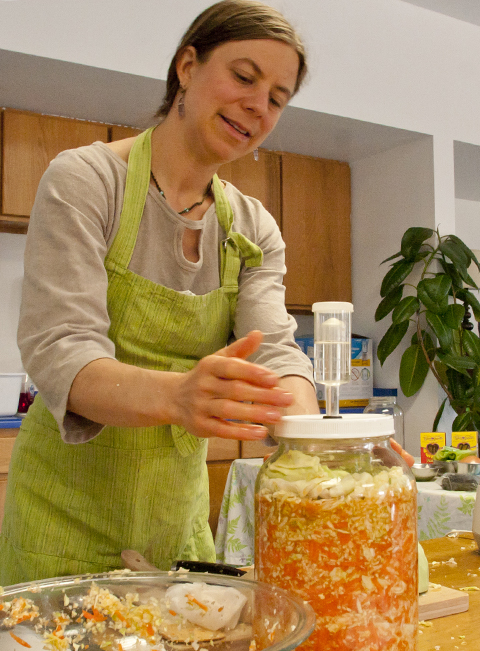
rohde-sauerkraut_MichelleB-web_copy

Spring is a meaningful time when we put forth energy to till the earth and grow our gardens full of food to feed our families.  On a deeper level, within each of us is an internal gut garden designed to fuel and nourish our body vessels in order to allow each individual to express their fullest potential in life.

It is very important to note, as species of the earth must coexist in life, we too must coexist with all of the many microorganisms within each of us.  We depend upon a multitude of microflora within our gut gardens to transform nourishing food into fuel and maintain optimal bodily health.

In todays environment we all bare a body burden of toxic chemicals due to pollution exposure from the air we breath, the water drink, the food we eat, the pharmaceuticals we consume, in particular antibiotics.  The result, all too often, is a weakened or damaged internal gut garden, along with autoimmune disorders, obesity, heart disease and cancer.

The human body is a complex ecosystem composed of trillions of bacteria, that is capable of social network communication.  Recent research indicates that bacterial cells in the body outnumber human cells ten to one.  Bacteria and other microorganisms inhabit all parts of our body: skin, genitals, mouth and in particular our gut.  Our gut is sometimes refered to as our “second brain”.  Our gut communicates with all other parts of our body.  Have you ever heard instinct or intuition referred to as “gut feeling”?  This is our “gut garden” our “second brain”.

When one uses antibiotics the drugs go to work killing the nasty bug that have got you down.  However antibiotics kill all bacterial, bad and good alike.  In the absence of friendly bacteria, you lack many helpers that are responsible for manufacturing your food into useful nutrients and vitamins.  Moreover, your social network system is down and your immune systems ability to communicate effectively is worsened.

Once antibiotics clear out all bacterial microorganisms, the bad and the good, other critters including viruses, parasites or fungi such as yeast, specifically Candida albicans, can turn pathogenic, further upsetting our balance since there is plenty of room to move and multiply.

Pathogenic organisms including including those mentioned above, thrive on the standard American diet, which is comprised of mostly nutrient deficient, highly refined foods and sugar.  Allowed to go unchecked in the body, these offenders can wreak havok on our digestion, rob us of our nutrients, and even infiltrate other areas of our body, bringing a wak of damage with them.

Some bacteria produce deadly toxins, and most often, pathogenic organisms by-product is toxic to us and are polluting us from the inside out.  On the other hand, friendly bacteria produce life-giving vitamins and maintain the human body’s optimal healthy blood pH of 7.45, which is slightly alkaline.   In order to achieve blood alkaline conditions, one must consume a mostly alkaline diet.  This means incorporating mostly veggies in particular greens from the land and sea into your diet.  Your diet may include whole grains, low food chain wild fish such as sardines or sockeye salmon (as they bioaccumulate less toxins than other fish), quality eggs, meat or dairy in moderation.  Whole fruit is best eaten alone for optimal digestion.  Combined incorrectly, fruit can cause fermentation and the creation of sugars in your gut which feed pathogenic organisms.

Supplementing with pro-biotics, which living beneficial microorganisms, can help to aid digestion and protect ones immune system, especially in todays environment.  Probiotics can also be used in conjunction with antibiotics to help mitigate the effects of sometimes necessary western drugs.

One may also find friendly microorganisms in living foods such as raw sauerkraut, kimchi (see side bar for recipe), and kefir to name a few.  Yogurt most often comes equipped with friendly lactobacillus acidophilus and bifido bacterium.

The bottom line is, if we are to survive and thrive, we need to coexist with an entire internal ecosystem centered around our gut garden, which manufactures fuel for our cells.  Ultimately, we want to approach our health in a way that supports our delicate microflora balance by incorporating a healthy alkaline diet including plenty of veggies and greens, probiotics, living and cultured foods, water, exercise, prevention, and natural and safe remedies as provided by nature.  If modern drugs  such as antibiotics are necessary, one must pay extra attention to recolonizing our internal gut garden with beneficial flora.  We need to be especially vigilant to protect todays children and educate them as to how to live in harmony with their internal gut gardens.

Lisa Rohde Holistic Health Coach, is an expert in the field of preventative medicine with a professional certificate from the Institute of Integrative Nutrition.  Rohde offers individual counseling, workshops and group classes. Connect with Rogue Living Well on Facebook and to learn more visit www.RogueLivingWell.com.

***

Fermenting of foods is a process in which foods are pre-digested by friendly enzymes and good bacteria.  Cultured veggies’ are strengthening to the immune system, are soothing to the nervous system, help reduce sugar cravings and regulate weight and appetite.

Sauerkraut Basics:

You will need:

* one gallon air tight jar with fermentation dome

* one smaller glass jar

3-4 head organic cabbage
6-10 organic carrots
one head garlic
high quality sea salt
probiotics (powder or capsule form)
food processory (optional)
large wooden soup ladle or other tool for pounding
large glass bowl

To Prepare Sauerkraut:

Peel outer leaves fro cabbge and set aside.
Finely chop cabbage, carrots and garlic or shread in a food processor.
Combine ingredients in large glass bowl.  Mix thoroughly.
Add 3-6 tablespoons of sea salt and combine.  Properly fermented sauerkraut should still have a crunchy texture.
Add 3 capsules probiotics and mix. (Adding probiotics speeds up the fermentation process)
Pound the sauerkraut until you notice juices releasing.
Pack the sauerkraut into the Fermentation Dome be sure to press the kraut firmly into the bottom of the jar to eliminate any air bubbles that may be present.
Once the jar is mostly full, use the cabbage leaves that you have set aside tocover the top of your kraut.
Place a small jar with a little filtered water on top of the bed of cabbage leaves.
Fill your air tight water seal lid iwth filtered water to the line and place the lid atop your fermentaiton jar.

Keep an eye on your kraut for the first couple days and add more water or brine if necessary (all of your veggies shoul dbe submerged in the juices, I rarely have to add additional liquids).  Your sauerkraut will be done in approximately one to two weeks (it takes loner without probiotics).

Kimchi Tips:

Dress up your Sauerkraut with more flavors and it will be kimchi.  My favorite combination is green cabbage, carrots, broccoli, kale, red pepper, onion, garlic sea palm fronds or hijiki (sea veggies), turmeric, Himalayan Sea Salt, and FriendlyForce Probiotics.

Note:  By adding raw sea veggies to your kimchi you may reduce the amount of sea salt you need to add.  Properly made kimchi should still have a crunchy teture.

Sauerkraut is possible with little or no salt by fermenting the cabbage in wine, substituting caraway, celery and dill seeds for the salt or using seaweed in place of salt.  Salt-free kraut has a shorter lifespan than salted kraut.  Since feremetnaiton goes faster without salt, be sure to taste salt-free kraut frequetnly to monitor its progress and refrigerate it after a week or so.

Next